Sicily is often misunderstood in two directions.
Some dismiss it as impractical. Others romanticize it into something theatrical.
Both miss the point.
Sicily is not a film set. It is not a mood board. And it is not a compromise for those who could not make another part of Italy work.
It is one of the few places left where a move can still make sense on several levels at once: lifestyle, property value, tax structure, and access to Europe. Italy’s expanded 7% regime for qualifying new foreign pension residents now reaches municipalities of up to 30,000 inhabitants in eligible southern regions, including Sicily. For households still working, Italy also continues to offer the impatriati regime for certain workers who transfer tax residence to Italy.
That is what makes Sicily worth taking seriously now.
Not because it is easy.
Not because it is trendy.
Because it still offers something coherent.
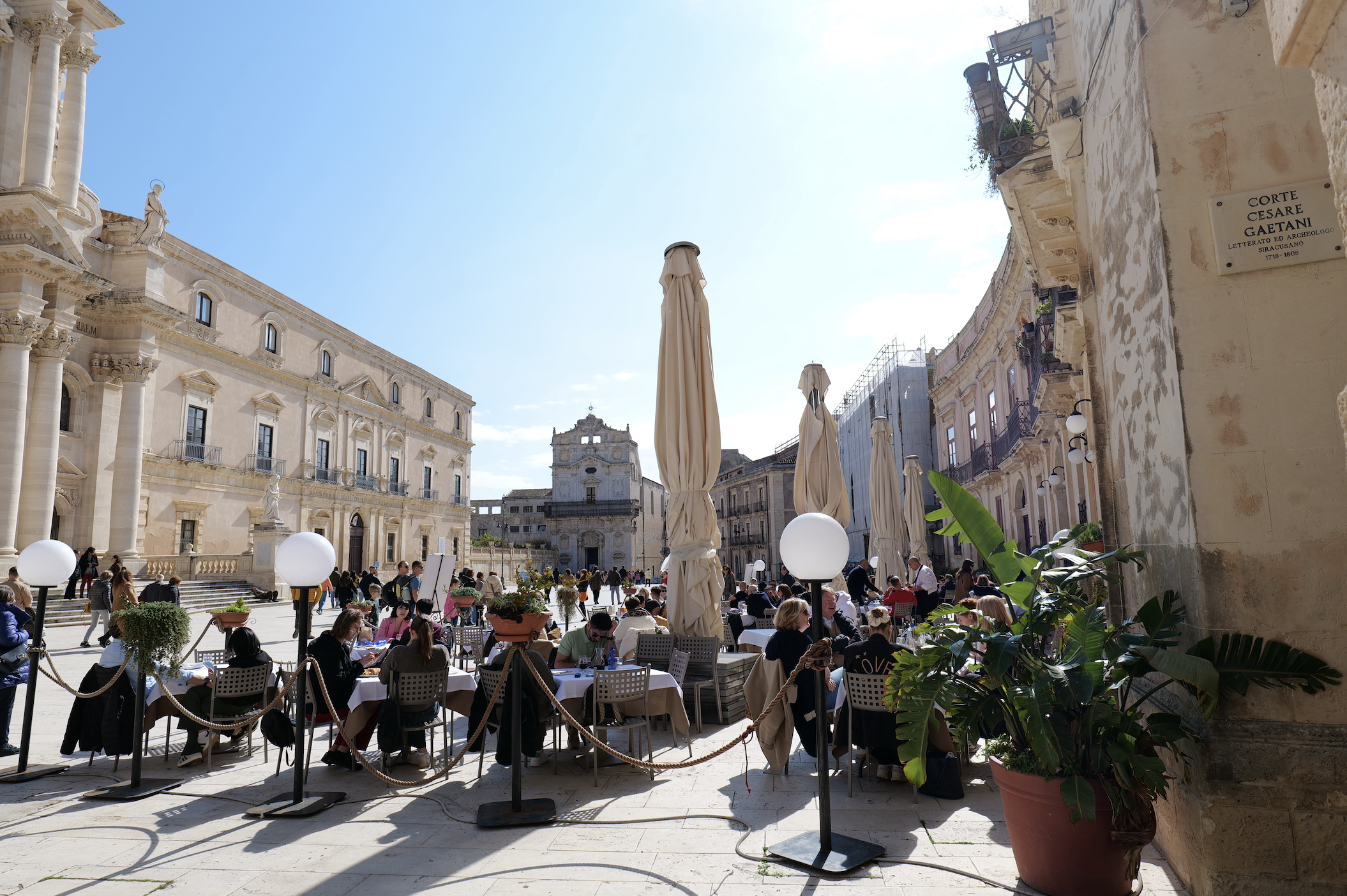
I live here, and what strikes me most is not how exotic life feels, but how normal life becomes more beautiful.
You wake up. You work out. You do a full day of work. You meet friends for aperitivo. You volunteer on Saturday morning. You run errands. You deal with projects. Life is still life. Sicily does not turn daily existence into fantasy. It simply gives ordinary life a far better backdrop.
That matters more than many realize.
Because the real luxury is not spectacle. It is quality of life you can actually sustain.
That is also why Sicily does not work for everyone.
The dividing line is not ancestry. It is posture.
Is someone ready to adapt to the place, or do they expect the place to adapt to them?
Sicily is Sicily. Its rhythms are its own. Its culture has outlasted centuries of conquest, influence, and reinvention. That is part of its strength. But it also means the households who thrive here are usually the ones who arrive with curiosity and respect, not with the expectation that the island should bend around them.
That same principle applies to property.
The real story in Sicily is not cheap housing. It is value.
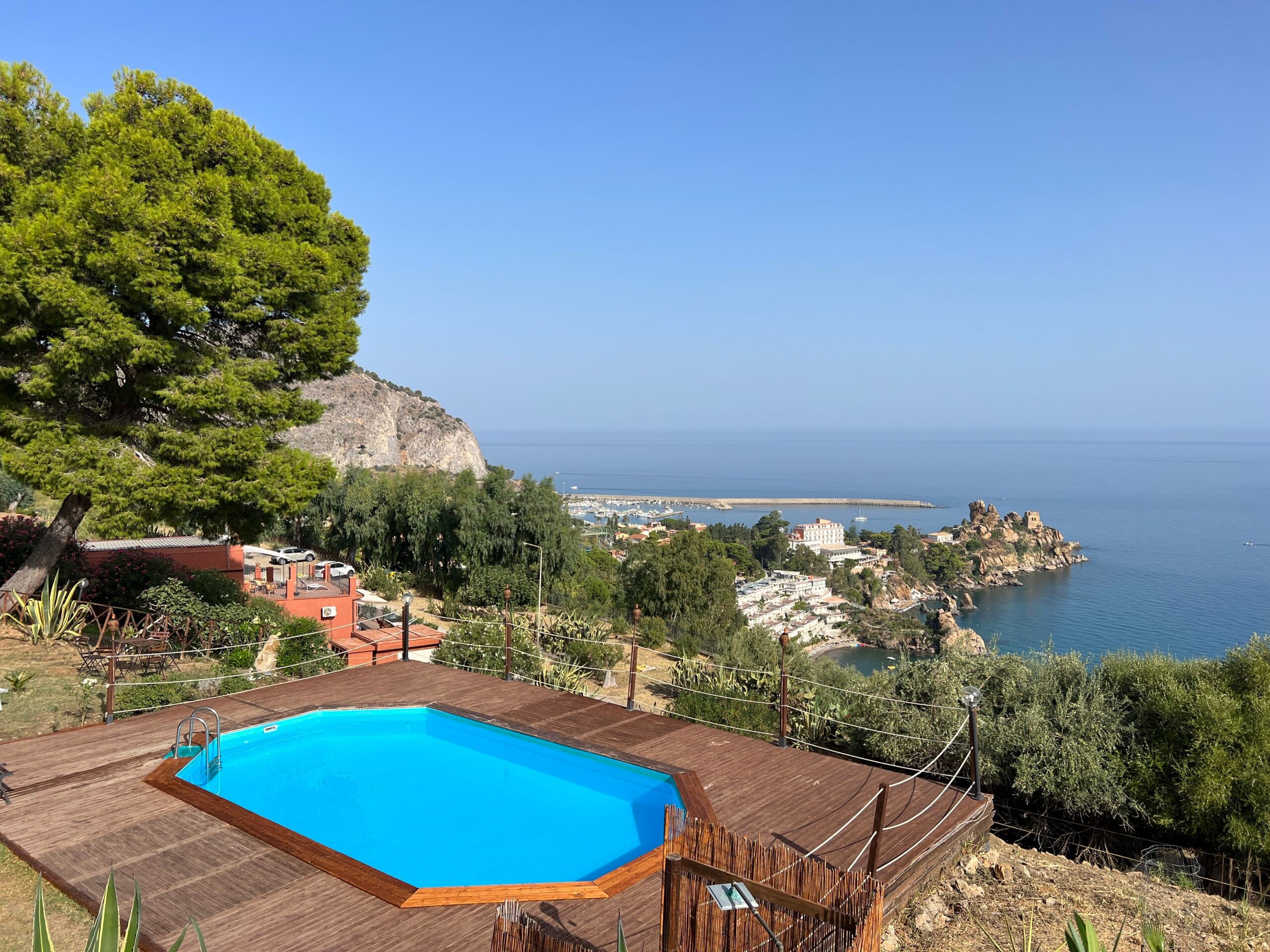
There are still parts of the island where what you can buy feels almost out of proportion to the price: sea-facing apartments with terraces, elegant historic apartments, palazzi with real architectural presence, homes near the water that feel like lifestyle properties rather than stripped-down compromises. In many better-known parts of Italy, that equation has already broken. In Sicily, it has not entirely broken yet. Premium enclaves such as Taormina, Cefalù, and Favignana have already repriced sharply, which is exactly what happens once the most visible markets are fully seen.
That is why I keep coming back to the west side of the island.
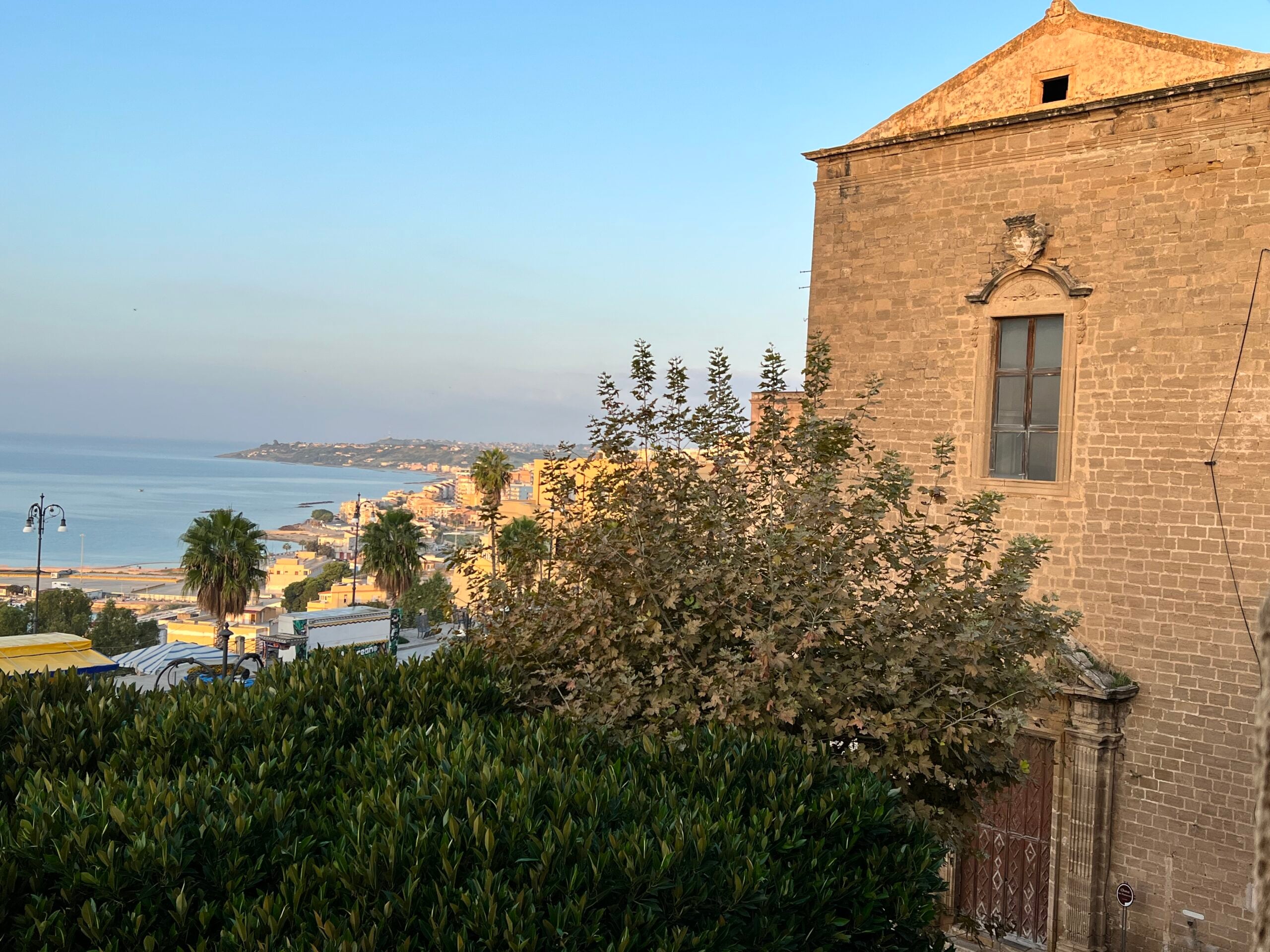
Skip the obvious names for a moment. Look instead at places that are livable, connected, and well positioned relative to Palermo and Trapani. That is where I still see real value — not only financial value, but life value. Places where the sea, access, community, and everyday functionality still sit in the same frame.
And that distinction is everything.
A good Sicilian property is not just beautiful in a listing. It works when the listing is over. It works in winter. It works when you are busy. It works when you need to lock up and travel. It works for the life you are actually building, not the one you imagined from abroad.
For us, that meant an apartment. Something easy to care for, easy to leave, easy to use now, and flexible enough to rent later if we choose. That may not be the right answer for everyone. But it is the right kind of question: not what looks most dramatic, but what supports the life best.
That is where discernment matters.
Because Sicily is not one market.
A sea-view apartment near a functioning town is one life.
A grand apartment in a historic center is another.
A palazzo with restoration potential may be a gift for one household and a burden for another.
A place that feels seductive in August may feel isolating in February.
The point is not simply to buy in Sicily.
It is to buy well in Sicily.
That means understanding the difference between a beautiful property and a workable one. Between a location that photographs well and one that supports real day-to-day life. Between charm and fit.
This is also what living here teaches you that market reports do not.
The most valuable places are not always the loudest ones. They are the ones that function. The ones that let daily life settle in. The ones that make it easy to thrive rather than simply admire the setting.
And that is where the financial side starts to reinforce the lifestyle side.
For retirees, the expanded 7% regime makes larger, more connected Sicilian towns newly interesting. For those bringing work from abroad, Sicily can still fit into a smart cross-border plan under Italy’s current relocation frameworks, if the structure is handled properly. And for anyone planning a real move rather than a casual second-home purchase, Italy’s 2026 budget confirmed the 50% renovation deduction for a primary home, while second homes generally remain at 36%. That changes the math in a meaningful way.
Put together, Sicily starts to look less like an indulgence and more like one of the smartest lifestyle decisions available in Italy right now.
Not because it is effortless.
Because it is still one of the few places where beauty, access, value, and daily life can hold together.
That is why Sicily stands out.
Not as a fantasy.
As a place that still works.