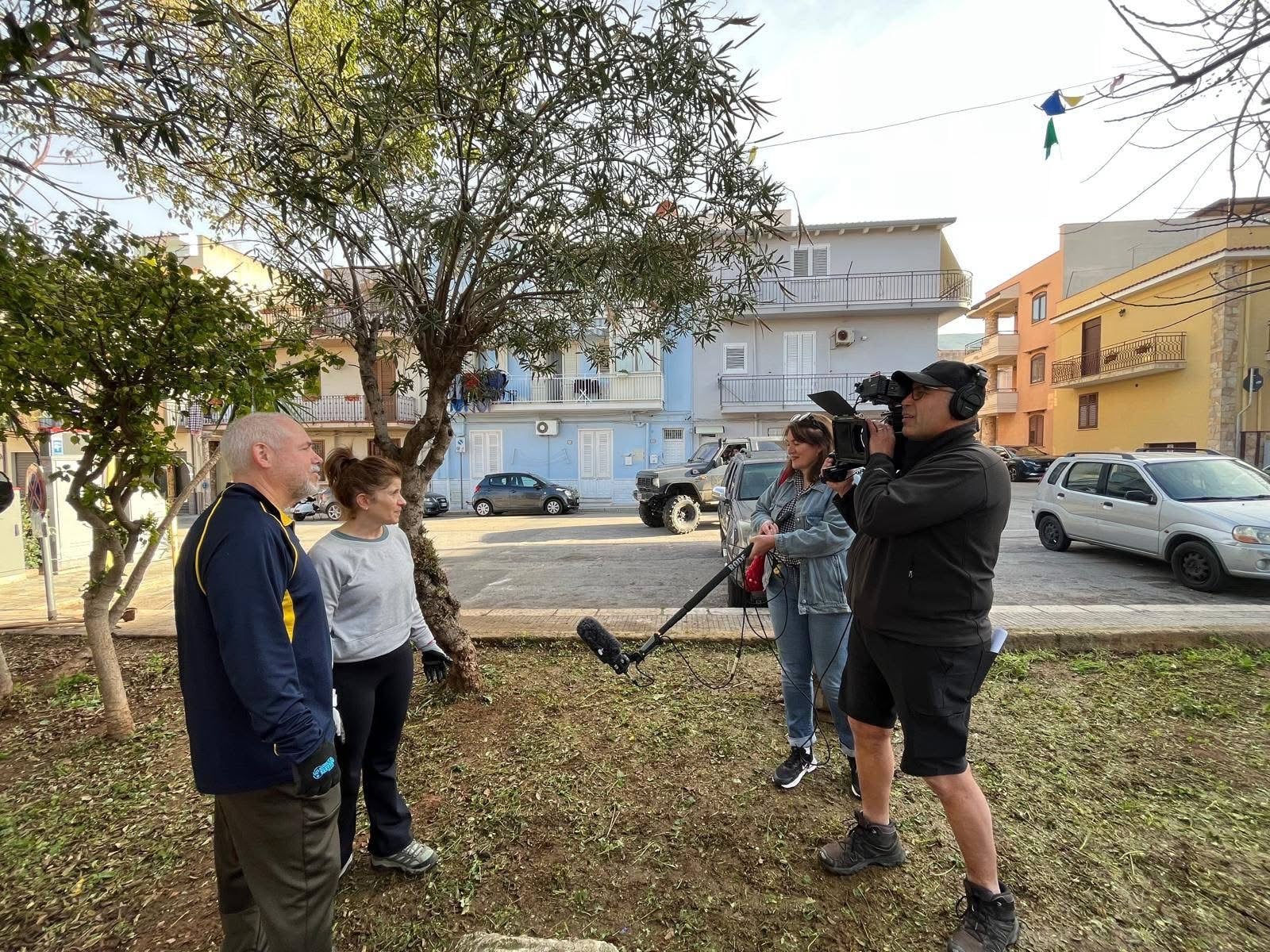
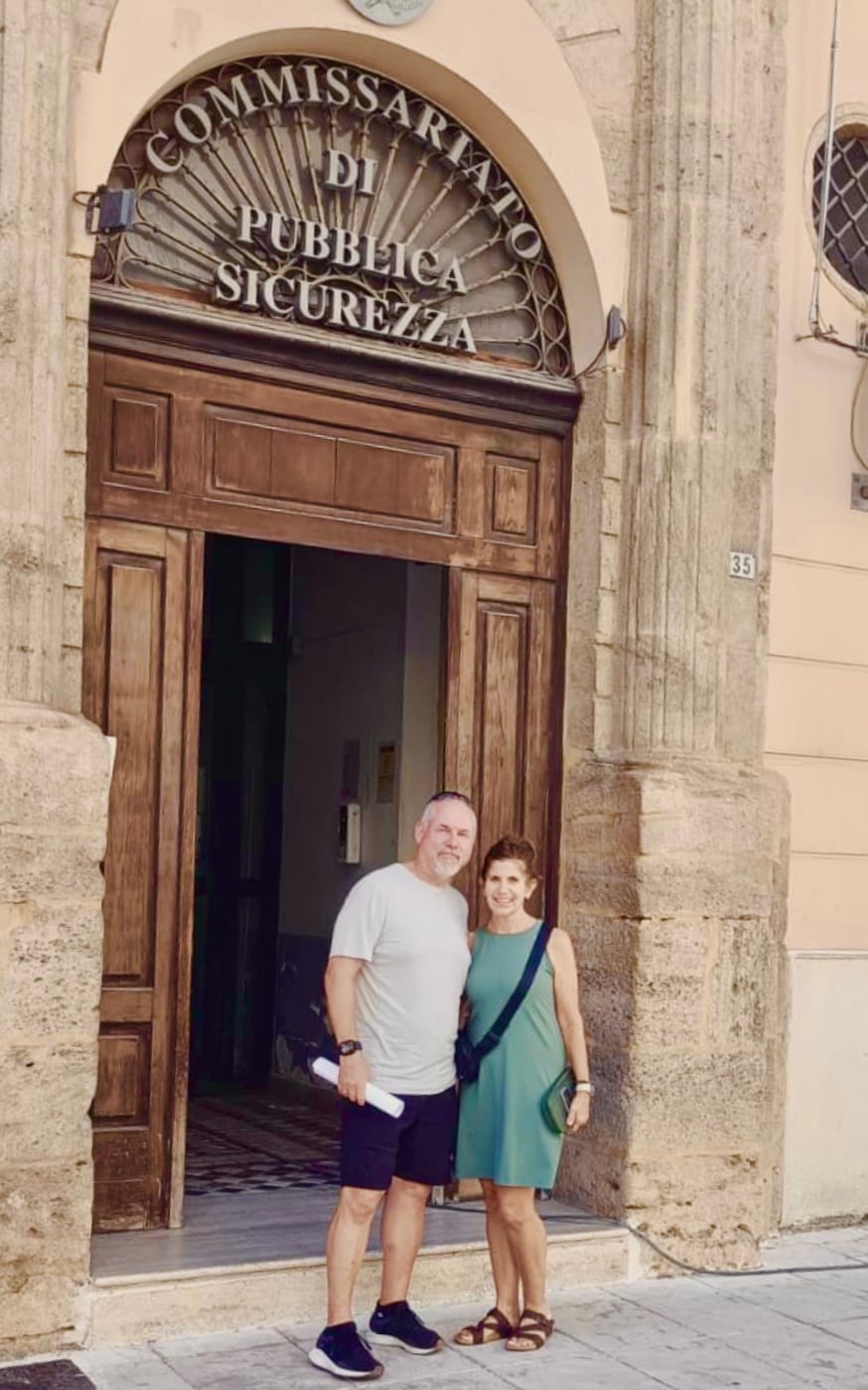
An update to Melanie and Brent’s story
When I published Melanie and Brent’s story last November, I thought of it as a pivot story. A practical one. The October 2024 circular hit their citizenship-by-descent plan weeks before their scheduled January move to Italy, they had to make a fast decision, and they made the right one. The elective residency visa, a registered long-term lease, financial documentation rebuilt around the new requirements — and they made their January date. They’re there now, thriving, volunteering on weekends, hosting game nights, living the life they planned.
But I am coming back to their story for a different reason now, and I want to share it here because I think it matters for a lot of families watching this legal landscape and trying to figure out where they stand.
Melanie’s citizenship-by-descent case did not disappear when they pivoted to the visa. It went into a holding pattern, waiting on the courts. ViaMonde has kept it active. If the “minor issue” resolves, and there is still reason to believe it might, we’re positioned to move her back toward the original recognition. That has always been the long-term strategy underneath the visa: get there, build the life, stay positioned for citizenship if and when the legal door reopens.
That part of the story is still in motion. And it’s raised a question that I’ve been sitting with, and that I’ve been in the middle of on r/juresanguinis as u/chinacatlady, where it keeps surfacing in various forms: if and when Melanie is recognized as an Italian citizen, what does that actually mean for her family? Not just for her and Brent. For her children. And for her grandchild.
This is the question I hear underneath a lot of the conversations right now.
They’re thinking about the adult children who are figuring out their own lives. They’re thinking about the grandchildren growing up fast. Moving to Italy isn’t just a personal decision. It sits inside a whole web of people who matter.
So when someone asks me whether Melanie’s eventual citizenship recognition could create a path for her children and grandchild, they’re not asking an abstract legal question. They’re asking: “could this decision I’m weighing for myself also be something that includes the people I love, eventually, if they want it?”
That is a different question than “how do I get to Italy.” And it deserves a real answer.
Here is where the law is, and where the interpretation is still open.
Article 9, paragraph 1, letter a of Law 91/1992 provides a citizenship-by-residence route: after two years of legal residency in Italy, a foreign national whose parent, or direct ascendant up to the second degree, “is or was an Italian citizen by birth” may apply for Italian citizenship.
Second degree means grandparent. So the provision covers both parent and grandparent as qualifying ancestors.
If Melanie is recognized as an Italian citizen through jure sanguinis and that recognition, as it has historically been understood, is declaratory of citizenship from birth, not a new grant, then she may satisfy the “citizen by birth” requirement for her children. Her children, as direct descendants of an Italian citizen by birth, could potentially apply for Italian citizenship after two years of legal residency in Italy. Melanie’s grandchild, as a second-degree descendant, may have the same potential path.
The implication: Melanie and Brent arrive first. They live their life. Melanie’s recognition moves through the process. If the interpretation holds, the door that opens for her may eventually open for her adult children too — not as a gift, not automatically, but as a real and plannable possibility if they choose to pursue Italian residency. And for the grandchild, the same.
Picture what that means for a family thinking about this move. It’s not “we go to Italy and leave everyone behind.” It becomes something more like “we go first, and if the law confirms what we believe it says, we may be building something the next generation can step into too.”
That is a very different emotional calculation for a lot of people.
Now for the honest part.
I’m not going to tell you this is settled, because it isn’t. The phrase “citizen by birth” is doing a lot of work in that provision, and there is a live interpretive question about whether jure sanguinis recognition — which is declaratory of a citizenship that existed from birth, but which was recognized through a court or consular process rather than through birth on Italian soil — satisfies the requirement as different Prefetture read it.
We are actively working to verify this interpretation in writing with the Prefettura. Until that answer is in hand, I won’t present it as a strategy you can rely on. A route that reads persuasively in a Reddit thread is not the same thing as a route that holds when a family applies. The stakes are too high for that kind of gap.
But here is what I do think is worth saying clearly: Melanie’s pursuit of recognition, even now, even amid all the uncertainty, may be protecting options for her family that go well beyond her and Brent. Whether or not you’re in her exact situation, if there is a recognized or potentially recognizable Italian ancestor in your family line, that recognition has value that may extend across generations. The question is whether you understand what that value is, and whether your current strategy is preserving it or inadvertently foreclosing it.
That’s the conversation worth having now, before you’re in the middle of a pivot, before a legal development forces a faster decision than you’d like. Not because I have a clean answer ready, but because understanding the shape of the question changes what you do in the meantime.
Melanie and Brent didn’t stop wanting Italy when the plan changed. They found another way to keep moving, and they stayed positioned for the longer game. A lot of families are in that same place right now. The move is possible. The strategy just has to be built with more than one generation in mind.
If you’ve been following the Article 9 discussion on r/juresanguinis and wondering how it maps to your family’s specific situation or if you’re somewhere in the middle of figuring out whether a visa, a citizenship case, or some combination is the right path — I’d like to hear where you are. I can’t give you certainty on the two-year route yet, if your parent or grandparent was not born on Italian soil, but I can help you understand what questions you should be asking now and what to make sure you’re not accidentally closing off.
Notes from Abroad is published by Jennifer Sontag. The legal analysis in this dispatch reflects the current state of an ongoing verification with the relevant Prefettura and should not be treated as legal advice. We will update our guidance as the interpretation becomes clearer.