A house in Italy changes the conversation.
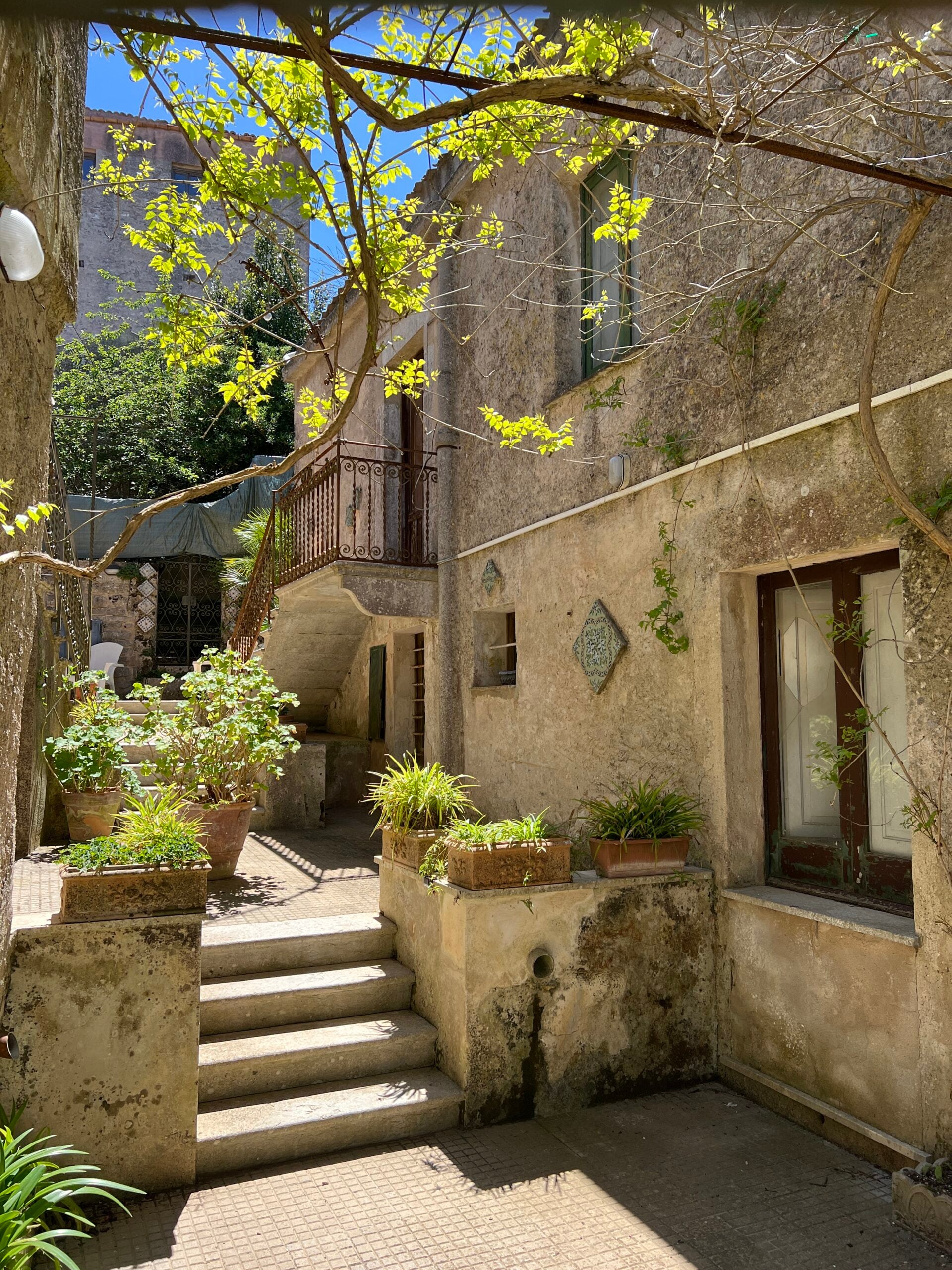
Until there is a house, Italy can stay suspended in saved listings, family stories, vacation memories, late-night research, and the kind of “someday” conversations that are lovely until they start to feel endless. Then something appears: a terrace in Palermo, a stone house near the sea, an apartment in a walkable town, a place with enough imperfection to feel possible and enough beauty to make you start rearranging your future around it.
And suddenly, the question is no longer theoretical.
Should we buy it?
Sometimes, yes. Sometimes buying the house is exactly the move that turns the dream into a real plan.
There is a cautious version of the property conversation that says you should wait until every legal, financial, and residency question is perfectly settled before you even look. There are moments when caution is the right advice. But that is not the whole story, and it is not how many real lives are built.
For many people, buying property in Italy is the first serious act of commitment.
It gives the life an address. It gives you a reason to return with purpose rather than drift through another scouting trip. It starts a relationship with a town in a way that browsing from abroad never quite can. You learn the roads, the rhythm of the piazza, the bar where you stop for coffee, the hardware store that somehow has everything, the neighbor who notices when the shutters open again.
That is the part people are often reaching for when they say they want to buy. Not just walls. Not only a view. Not merely a better price per square meter than they could find at home.
They are reaching for belonging with a set of keys.
Property can also be a practical anchor for a larger Italy plan. If your long-term goal involves citizenship, residency, retirement, seasonal living, remote work, a family transition, or a slower second chapter, the right house can begin to organize the next steps around something concrete. It does not magically give a non-EU citizen the right to live in Italy, and it should not be asked to solve every legal question. But when the house, the location, the legal route, and the timing work together, property can become one of the strongest pieces of the plan.
This is especially interesting in Sicily.
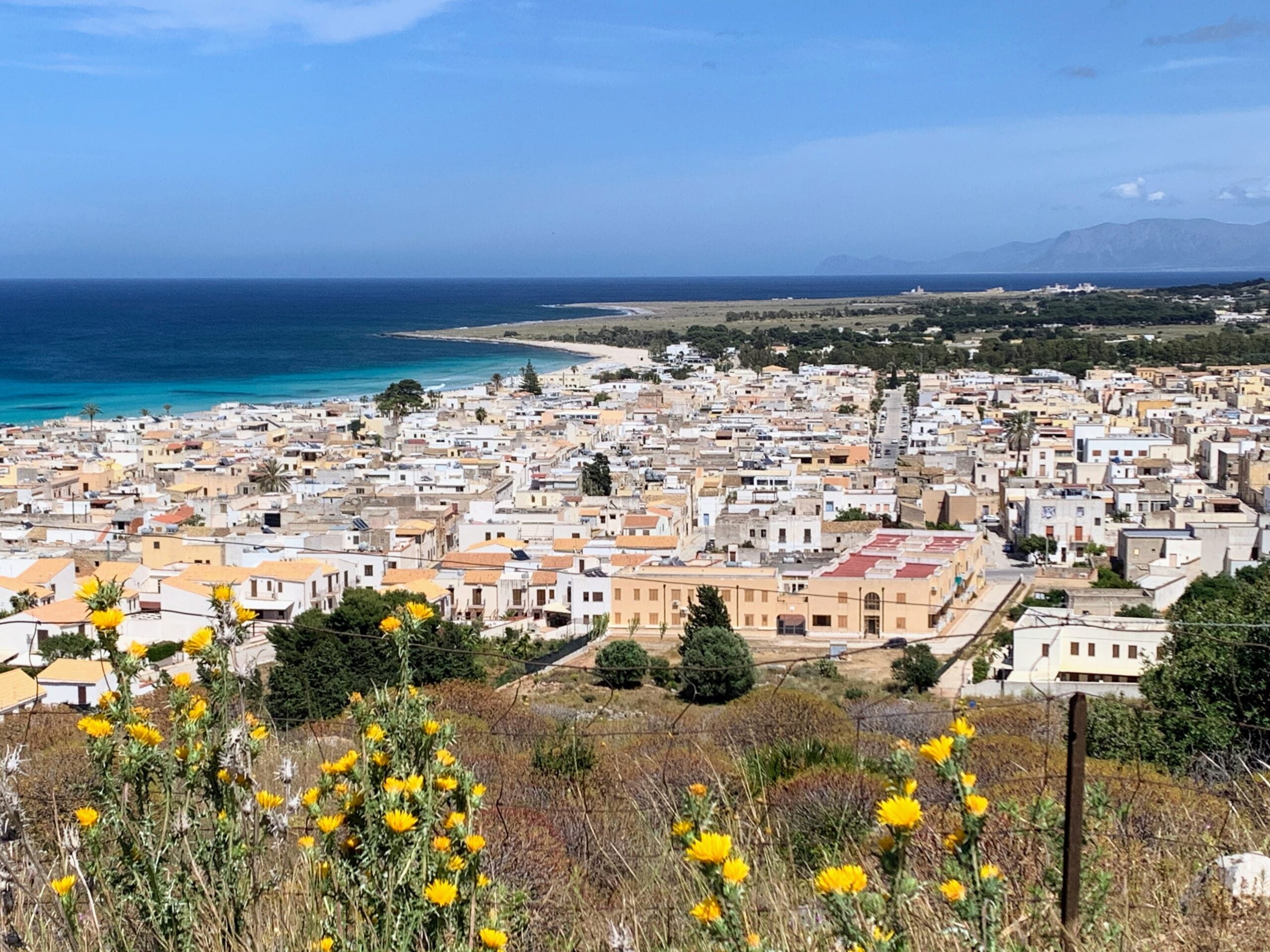
Sicily still offers something increasingly rare in Europe: beauty, coastline, historic towns, airports, food, community, and a property market that has not lost all relationship to ordinary human budgets. In April 2026, residential sale listings in Sicily averaged €1,169 per square meter, compared with €2,188 per square meter across Italy. Palermo averaged €1,547 per square meter, with sale asking prices up 3.20% year over year. Sicily’s regional residential asking rents were up 7.72% year over year, while Palermo rents were up 5.64%.
That does not mean every listing is a bargain. It certainly does not mean every renovation is a good idea, every village house is secretly undervalued, or every seaside apartment will become a rental machine. Sicily rewards people who know how to read the local context. One town can be a brilliant lifestyle decision and a poor investment. Another can be overlooked by outsiders and quietly practical for the person who wants year-round life, services, airport access, and community.
This is why the property conversation should not be reduced to “buy” or “don’t buy.”
The better question is: what are you actually buying?
Are you buying a future full-time home? A seasonal base? A place to return to while a citizenship case moves forward? A rental-capable apartment in a city? A family gathering place? A retirement plan? A foothold in a town you already know? A renovation because you love the process, or because the price made you forget what renovation really asks of people?
Those are different purchases.
A Palermo apartment is not the same decision as a house in the countryside outside Trapani. A coastal property that shines in August may not give you the daily life you want in February. A village house with a low purchase price may require far more patience, technical review, and local stamina than a buyer expects. A higher-priced home in a better-connected town may end up being the more usable and resilient choice.
This is where the right team changes the experience.
A good buyer’s consultant understands what is moving, what is overpriced, which sellers are serious, what foreign buyers are missing, and where the market is being pulled by tourism, local demand, restoration, services, and access. A legal and relocation team looks at the purchase as one piece of a larger life: citizenship timing, visa options, residency registration, tax exposure, contract terms, renovation permissions, utilities, comune realities, insurance, and what happens after the keys are handed over.
That is the work ViaMonde does.
We are here to help them buy the right house, in the right place, with the right structure around it. Sometimes that means moving quickly because the property is good and the plan can support it. Sometimes it means negotiating differently, checking more deeply, bringing in a geometra, clarifying the residency timeline, or deciding that the dream is right but the particular house is not.
The goal is confidence in your purchase.
Buying in Italy should feel like the beginning of a life you understand well enough to build.
Next week, we’ll be talking with our friend Vincenzo from RE/MAX about buying in Sicily: where the market is moving, what foreign buyers often misunderstand, how to think about value, and what separates a beautiful listing from a smart purchase.
Because yes, you may be right to buy the house.
The point is to buy it with clear eyes, strong local guidance, and a plan that lets the house become what you hoped it would be: not a stranded dream, not a panic purchase, but the first real address of your Italian life.
FAQ
Is buying property in Italy a good investment?
It can be, depending on location, condition, purchase price, renovation costs, rental potential, tax position, and long-term use. Sicily remains comparatively accessible against many better-known Italian markets, but each property needs local due diligence.
Why is Sicily interesting for foreign buyers?
Sicily offers coastline, historic towns, airport access, culture, food, and comparatively lower average prices than many other Italian regions. In April 2026, Immobiliare.it listed average residential sale asking prices in Sicily at €1,169 per square meter, compared with €2,188 per square meter across Italy.
Can buying a house help me build a life in Italy?
Yes. Property can create a practical and emotional base for a future life in Italy. It can help you build local relationships, return with purpose, and begin structuring a phased move. It does not, by itself, create residency rights.
Does buying property give me the right to live in Italy?
No. Non-EU buyers still need the appropriate citizenship, visa, or residency route if they plan to live in Italy full-time.
Who should help me before I buy?
A strong purchase team may include a local buyer’s consultant, legal counsel, a geometra or technical professional, tax guidance, and relocation support to make sure the property fits the broader life plan.
If you are considering buying property in Sicily or elsewhere in Italy, ViaMonde can help you understand how the purchase fits into your citizenship, visa, residency, tax, and long-term relocation plan.