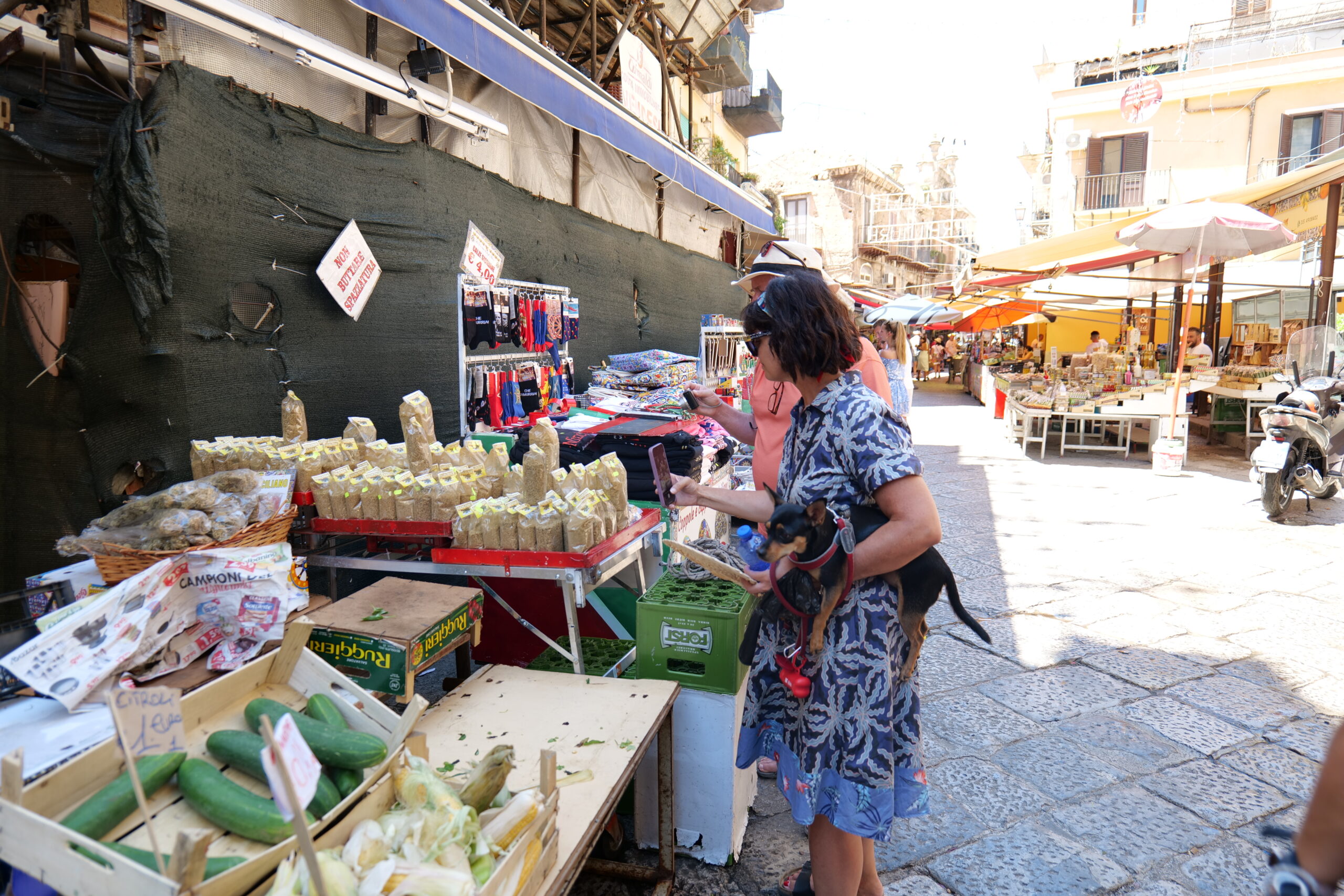
Yes, you can go for three months.
For many people, you probably should spend time on the ground before making a permanent decision. There are things you cannot learn from another country, no matter how much research you do. You may need to walk the neighborhood, test the commute, visit schools, look at rentals, meet professionals, find the grocery store, check transportation, and see whether the place you have been imagining still feels right when ordinary life enters the picture.
That is useful information. It can confirm a plan or save you from the wrong one.
The question is not whether scouting is a good idea. Often, it is.
The question is what the trip is supposed to answer.
This is where people sometimes lose the value of the 90 days. They go with a general idea of “seeing how it feels,” which sounds reasonable. Then the trip starts creating decisions. A rental appears. A property looks promising. A school, program, or family timeline creates pressure. A local contact suggests a next step. A region feels better than expected. Someone says the market is moving quickly. The family starts picturing the life, and suddenly the trip is carrying more weight than anyone planned.
That is not a disaster. It is a sign that the trip needed a clearer job before it began.
For most non-EU visitors, the Schengen short-stay framework generally allows 90 days in a 180-day period. That window can be incredibly productive if it is used well. It can help you compare countries, narrow regions, test daily logistics, understand housing reality, meet advisors, and decide what kind of plan you actually need.
What it should not do is quietly become a relocation attempt without the legal and practical pieces being ready.
Spain and Italy need to be treated differently here. Spain may allow certain qualified applicants who are legally present to apply from inside the country under specific routes, including the international teleworker framework. For the right person, that can be an important strategy. But the person still has to qualify, the documents need to be ready, and the work, family, tax, insurance, housing, and timing questions still have to make sense.
Italy often works differently, especially for long-stay visa routes that require a consular process before relocation. A 90-day stay can be excellent for scouting towns, meeting professionals, viewing homes, and understanding whether the life feels right. It should not be treated as the legal beginning of residency unless the specific route supports that.
This is why general advice like “just go and figure it out” only goes so far.
Sometimes people need the trip because research has become its own form of delay. They need to stop comparing and start observing. They need to feel the place in real life. That is valid. We do not want people stuck forever in browser tabs and Facebook groups, trying to think their way into a decision that requires lived information.
But if the trip is meant to help you choose between Italy and Spain, look at property, visit schools, meet attorneys or accountants, test housing budgets, build a visa backup while citizenship is uncertain, or decide whether to spend significant money, it should be planned around those decisions.
That is where we can help before you go.
A discovery call lets us understand what you are considering and whether ViaMonde is the right fit. If it is, a strategy call can help shape the trip so it produces useful answers. We can help identify which questions belong on the trip, what documents or context you should gather before leaving, which professionals you may need to meet, whether property viewings are research or potential commitment, and whether Spain and Italy require different timing in your case.
This does not make the trip less personal or less exciting. It makes it more productive.
You still get to walk the streets, sit in cafés, look at houses, meet people, and notice whether a place feels right. The difference is that you are not asking the trip to solve everything at once. You are using it to answer the questions that matter most for your next decision.
A good scouting trip should bring you home with clarity. Maybe it confirms the region. Maybe it shows that renting first is smarter. Maybe it reveals that Spain is the better first move while Italy remains the long-term goal. Maybe it tells you the budget needs adjusting, the visa route needs more preparation, or the property search should wait until tax advice is complete.
That is progress.
If you are casually imagining a few months abroad someday, keep enjoying the idea. But if you are choosing dates, comparing countries, arranging property viewings, thinking about schools or programs, dealing with citizenship uncertainty, or preparing to spend serious money on a trip that is supposed to shape your next chapter, do not wait until you are already there and under pressure.
Book the discovery call first.
Let the 90 days do what they are good at: give you real information.
Then use that information inside a plan.