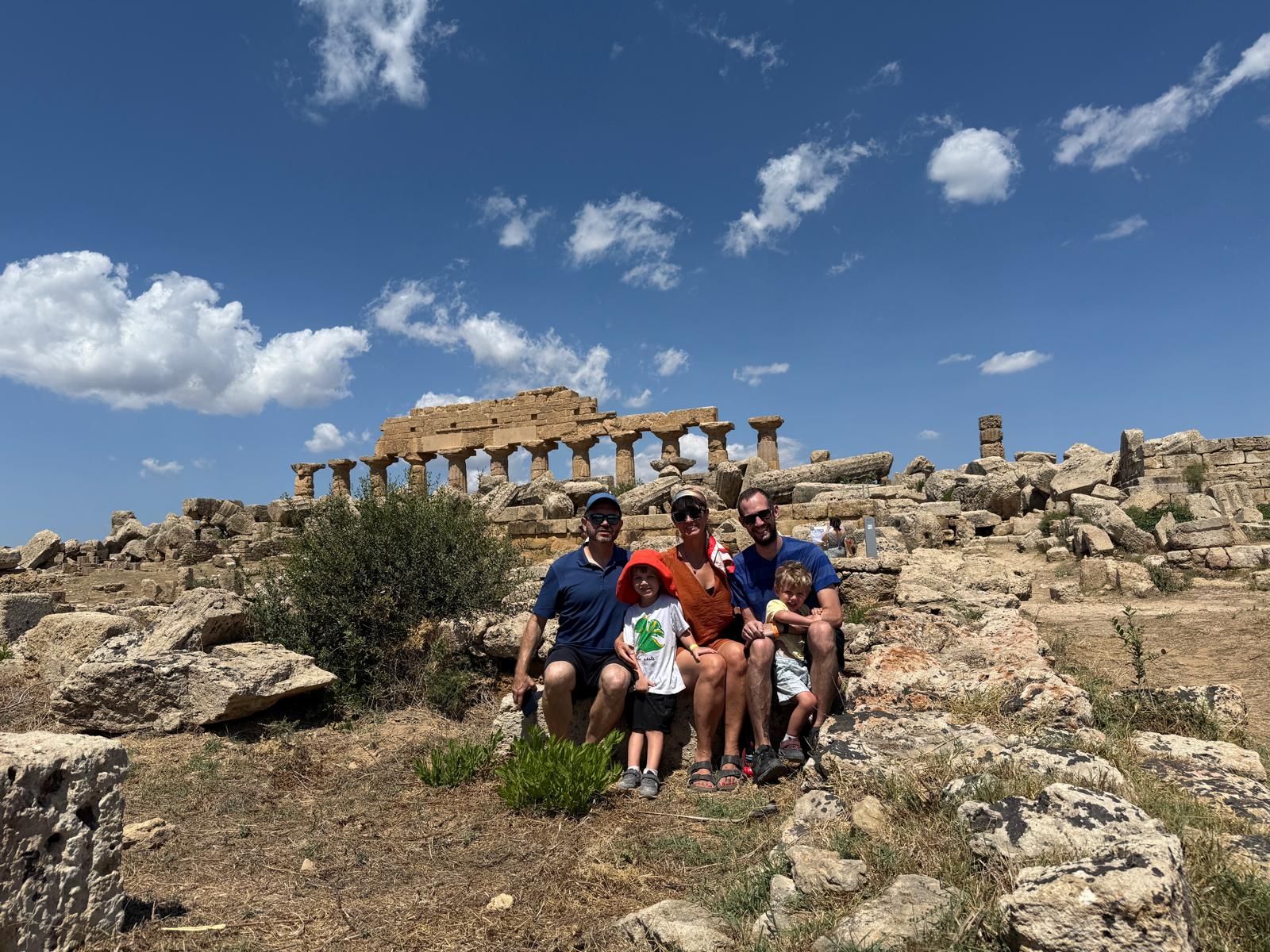
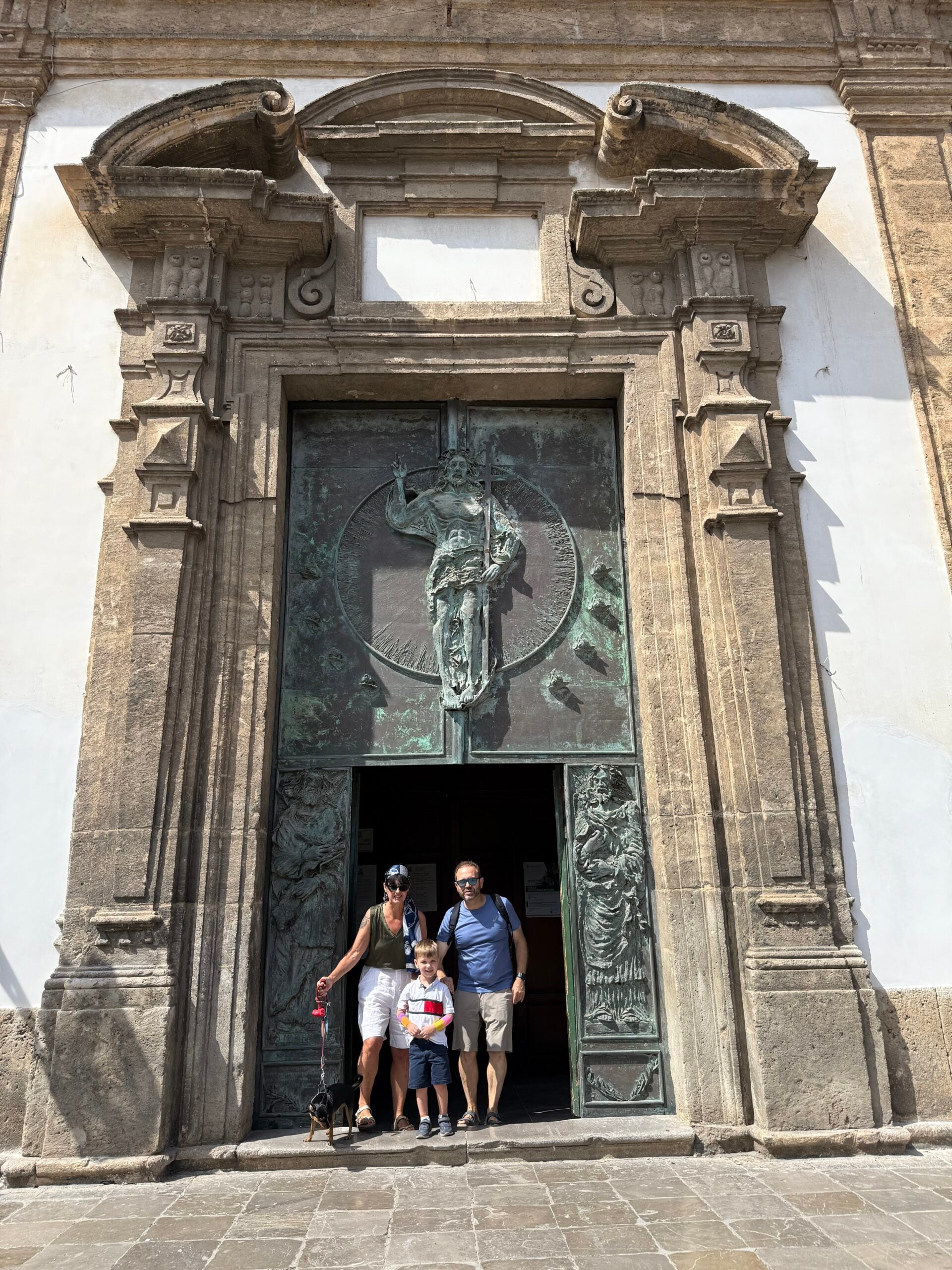
This week, my family received good news.
After years of delays, court costs, revised translations, judicial reassignments, and the kind of uncertainty that quietly rearranges a family’s plans, the judge ruled in favor of my relatives. They are Italian citizens.
It should have felt simple.
It did not.
It felt bittersweet.
Because even after that victory, the fracture did not disappear. It moved forward to the next generation.
My grandchildren are now in question.
That is what Italy’s citizenship reform has done. It did not simply narrow a legal category. It interrupted continuity inside families. What many once understood as a matter of lineage now depends on timing, procedure, geography, and whether a family had the flexibility, information, and legal structure to adapt before the ground shifted beneath them.
I know this not only because I work in this world every day. I know it because I am living it too.
And I am not the only one.
One client, Faith, moved to Italy in 2023 and was recognized there. Her father, through whom that citizenship line runs, could not get a Boston consulate appointment. He comes to Italy regularly. He has an apartment there. He has the ancestry, the connection, and the intention. Yet his daughter was recognized while he remained effectively limited to tourist status because he did not have the same flexibility to relocate before the legal landscape shifted.
Same family. Same bloodline. Different legal reality.
That is no longer the exception. It is increasingly the pattern.
I was recognized as an Italian citizen in 2021. My daughter was recognized in 2024. Other members of my family did not have that same timing or flexibility. They waited for consular appointments that never came. They were pushed into court, not because that was the original plan, but because the ordinary administrative path had stopped functioning in any meaningful way.
That is the part many families are still trying to absorb.
Most did not begin this process expecting litigation, backup strategies, or years of procedural pivots. They began with a family story, a legal basis, and the understandable belief that if they followed the rules, the system would eventually meet them there.
Increasingly, it does not.
And when the obvious path breaks, the question becomes much heavier than whether someone still qualifies.
The real question is how to keep the family story from breaking with it.
That is where this work changes.
At that point, citizenship is no longer just a documentation exercise. It becomes a planning exercise. A family may need to think about court instead of consular processing. About whether a child now needs earlier analysis. About whether recognition, residency, and future generations all need to be looked at together rather than one step at a time.
That is a very different posture from the one many families started with.
It is also the posture this moment requires.
In my own family, the costs have been real: more than €10,000 in court and legal expenses, years of delay, missed opportunities to buy property, four court dates, a judge who died, a reassigned case, and translations that had to be revised and recertified simply to keep moving.
That sequence is no longer unusual.
The issue is rarely a lack of information. It is applying the right information correctly to the right situation while the law keeps moving.
Which is why families need more than updates. They need someone who can look at a file, a timeline, a family structure, and a shifting legal environment and understand what still holds, what no longer does, and where a redirected route may be stronger than the one originally planned.
Sometimes the consular path has failed and a court strategy needs to be built. Sometimes the better question is whether an in-Italy route is still possible or wise. Sometimes the issue is how a parent’s recognition affects a minor child, whether a narrower route may still exist, or whether the family needs to stop treating this as a simple citizenship application and start treating it as what it has become: an intergenerational legal strategy.
Because this law has exposed something many did not want to see.
Citizenship was never only about proving the past.
It is also about protecting the future.
I did not pursue Italian citizenship as a hobby. I pursued it because I was building a future. That future looked like family vacations in Italy, expanding our business across borders, and creating something my grandchildren could inherit not only in property, but in place. I bought a home in Italy with plans for another. I thought in generations. I assumed that if I did this carefully and legally, continuity would follow.
Instead, many families are discovering that continuity is exactly what has been destabilized.
That is why this moment requires more than outrage. It requires steadiness. Clear legal thinking. Honest guidance. And, above all, a plan built for the family in front of you, not the system as it used to be.
The law did not just change.
It split families.