Spain, Italy, and the United States
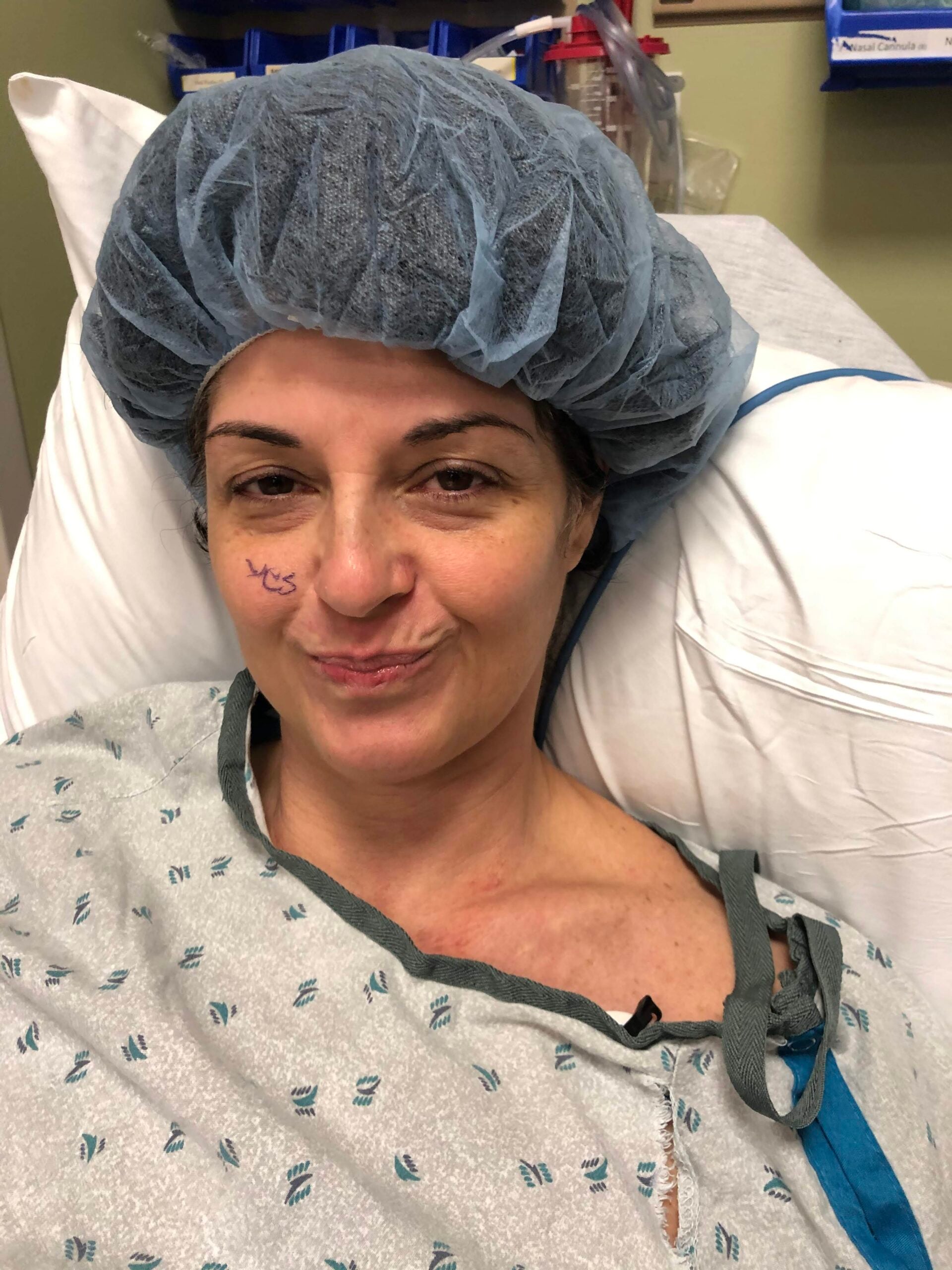
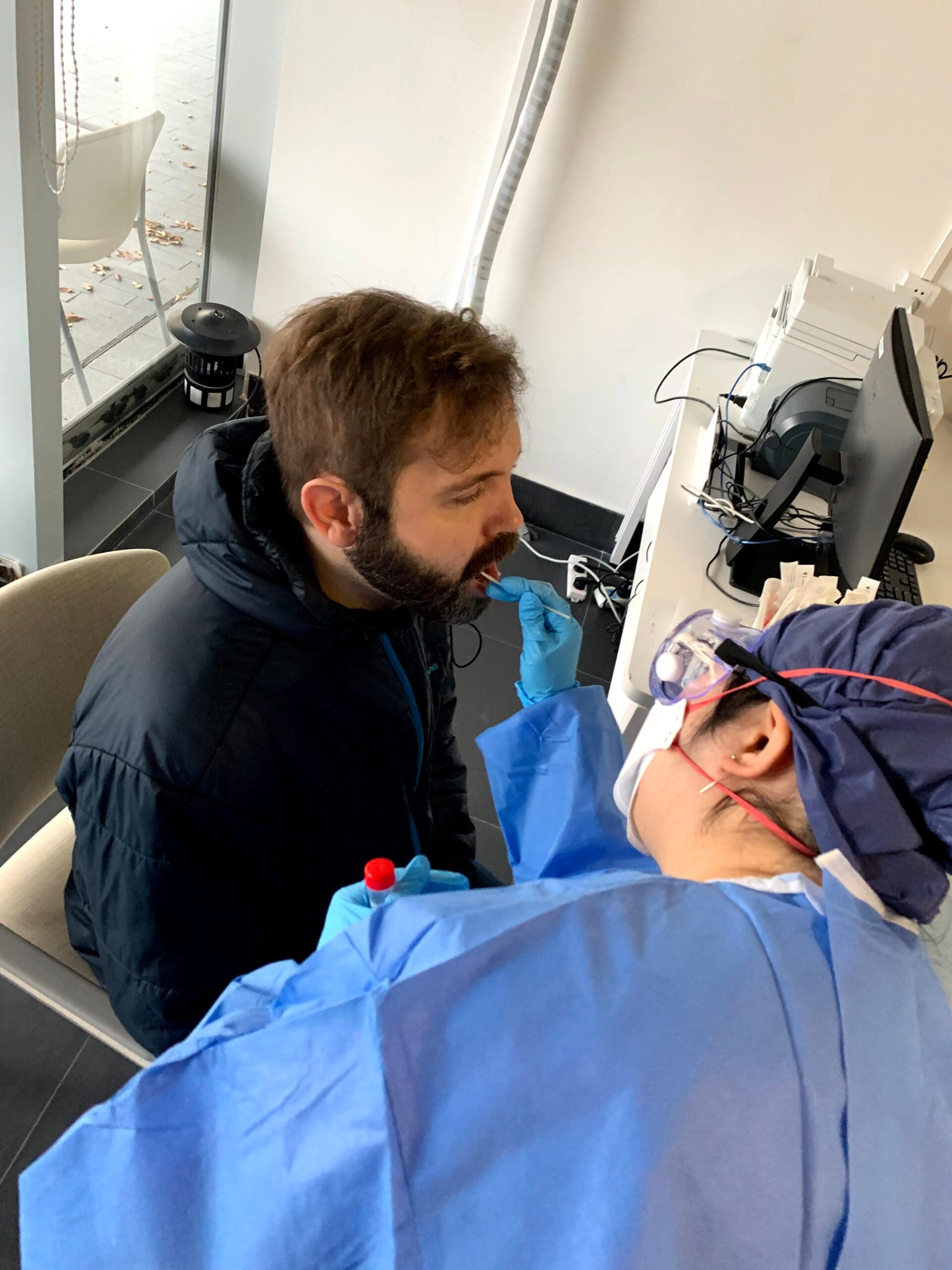
Yesterday, I walked into the ER in Spain with blood blisters and a toenail that had lost its argument with my shoes on the Camino.
Ninety minutes later, I walked out treated.
No bill. No deductible conversation. No insurance card drama. No wondering what would show up in the mail three weeks later.
I showed my Italian health card because I live in Sicily, I pay taxes in Italy as a resident, and I am in the system. I was in Spain temporarily, but inside the European system that mattered. That is exactly how the European Health Insurance Card framework is supposed to work: medically necessary public care during a temporary stay in another EU country. (European Union)
That moment on the Camino is the story. But it is also the point. When Americans talk about healthcare abroad, they often ask the wrong question. They ask whether Spain or Italy has “free healthcare.” That is not how the system is structured. Healthcare is not free. It is funded. The real question is this:
What does healthcare really cost you financially, and what does it cost you in stress, delay, avoidance, and outcomes?
That is where the comparison gets serious.
I have lived this personally, and I have studied it professionally. I have a master’s in public health. A large part of my research focused on health outcomes for a major healthcare system in Northeast Ohio after Obamacare. What I saw was not reassuring. In one of the counties we served, infant mortality rates were on the level of parts of the developing world. That stays with you. It changes how you hear American healthcare rhetoric. It makes it much harder to be impressed by expensive systems that are not delivering the outcomes people think they are paying for.
That is also why I paid attention when The Washington Post recently told part of my story: how medical costs in the United States helped push me toward rebuilding my life abroad, and how I now live in Italy and help other Americans think through this transition properly. (The Washington Post)
So when I say this, I am not speaking as a tourist with a nice story from the Camino.
I am speaking as someone who has lived inside the American system, studied outcomes, paid attention to the numbers, and now lives inside a different one.
The American problem is not just cost. It is the structure.
In the United States, many people think they have healthcare because they have insurance. What they often actually have is access with conditions: premiums, deductibles, networks, prior authorizations, co-insurance, surprise bills, and the constant background calculation of whether getting care is worth what it might trigger financially.
In 2025, average employer-sponsored premiums reached $9,325 for single coverage and $26,993 for family coverage. Workers paid an average of $6,850 toward family premiums, and the average deductible for covered workers with a general annual deductible was $1,886 for single coverage. (The Washington Post)
That is before you get sick.
And despite all of that spending, the outcomes are not especially flattering. OECD data for 2025 puts life expectancy at 78.4 years in the United States, compared with 84.0 in Spain and 83.5 in Italy. Preventable mortality in the U.S. was 217 per 100,000, compared with 92 in Spain and 93 in Italy. Treatable mortality was 95 in the U.S., versus 50 in Spain and 52 in Italy. (OECD)
That is where the American story starts to fray. Americans are paying more into a system that often delivers less peace of mind and, too often, weaker outcomes. And the financial cost is only part of the story. The other cost is what the system trains people to do to themselves.
They delay care. They downplay symptoms. They postpone imaging. They wait on the specialist. They hope the problem resolves before the bill arrives. They stay in jobs they have outgrown because leaving the insurance feels too risky. They make health decisions through the lens of financial fear.
That is not a side effect. It is part of the system.
The Commonwealth Fund’s 2024 international comparison again ranked the United States last overall among peer countries on access, equity, and health outcomes. (Commonwealth Fund)
Spain and Italy are not perfect. They are more protective.
I do not think it serves anyone to flatten Europe into a single story.
Spain and Italy are not identical. Quality varies by region, provider, specialty, urgency, and how well you understand the system. That is true in Missouri. It is true in Washington State. It is true in Sicily. It is true in northern Italy. It is true in Spain.
But both Spain and Italy are built around a premise that is fundamentally more protective: healthcare is part of the social structure, not a private obstacle course.
Spain has a near-universal, tax-funded public system. Italy’s Servizio Sanitario Nazionale covers citizens and eligible residents through a regionally organized public system. In both countries, there is also a substantial private layer that people use strategically: to move faster, to choose a doctor, to reduce waiting, or to access things like dental and some outpatient care more easily. (OECD)
This is where people get confused, so it is worth saying clearly.
The public systems in Spain and Italy are real. They are the backbone. They are not fake, not token, and not only for emergencies. But they are also not the whole picture. People with means often use both systems together. They rely on the public system for the foundation and use private care to smooth out timing, convenience, or choice.
That is not a flaw. That is often how a functioning system works.
Spain’s outcomes are especially strong. It has one of the highest life expectancies in Europe and very low rates of preventable and treatable mortality. Italy also performs well, with stronger-than-OECD-average outcomes on key measures. (OECD)
That matters. Because when I walked into that ER in Spain, I did not have to negotiate with the moment. I did not have to ask what level of care I could afford. I did not have to brace for the administrative aftermath. I was hurt. I went in. I got treated. I left.
That is a different social contract.
Public versus private: this is where expertise matters
This is one of those topics where influencer advice gets people in trouble, because they tend to present the story in extremes.
Either they act as though public healthcare in Europe solves everything, or they swing the other direction and make it sound like you can only get decent care if you go private.
Neither version is serious.
In Italy, public care is broad and meaningful, but wait times can be a real issue, especially for some specialists and diagnostics. OECD’s 2025 Italy profile notes that more than 7% of the population reported forgoing needed medical care in 2023 because of waiting lists, and that lower public coverage for outpatient and dental services pushes some people toward out-of-pocket private care. (OECD)
Spain also has a strong public backbone, but out-of-pocket spending can be higher than the EU average in part because people pay for pharmaceuticals, dental care, and private options when they want faster access or more choice. (OECD)
That is the mature version of this conversation.
The systems are not perfect. They have regional variation. They have bottlenecks. They have specialties where private care can make life easier. But the baseline is still much more protective of the patient than what many Americans are used to.
And that baseline matters more than people think.
My friend Cindy is part of the story, too
My friend Cindy is 73. She recently moved from Washington State to northern Italy. She pays higher taxes than I do in Sicily. She is in a different region, with a different cost structure, a different local healthcare reality, and a different stage of life.
That comparison is important, because it keeps the conversation honest.
Italy is not one thing.
The north often has stronger infrastructure, different service patterns, and higher costs. My own tax situation in southern Italy is favorable because of the way my life is structured. That does not mean Italy taxes everyone at 5%. It means my situation is mine. Cindy’s is hers. A retiree in an eligible southern town may have another structure entirely. A self-employed person under forfettario is different from an employee, which is different from a retiree living on pension income. Spain has its own fact-specific regimes for some workers as well. (The Washington Post)
But even when taxes are higher, as they may be in northern Italy, the better question is still:
What are those taxes buying you?
If they are buying you access to a functioning public healthcare system, lower point-of-care exposure, less medical debt risk, and a life not organized around fear of catastrophic billing, that is not a small thing.
That is the difference between healthcare as a line item and healthcare as a source of security.
A comparison that actually matters
Here is the comparison I wish more people made.
| What it really feels like | United States | Italy | Spain |
|---|---|---|---|
| Core system | Insurance-driven, fragmented | Universal public system with regional variation | Universal public system with regional variation |
| What you pay before using care | Often high premiums plus deductibles | Taxes and contributions; sometimes private top-up | Taxes and contributions; sometimes private top-up |
| Point-of-care anxiety | Often high | Usually lower | Usually lower |
| Public/private mix | Private insurance dominates | Public backbone, private used strategically | Public backbone, private used strategically |
| Wait times | Vary by insurer, network, and market | Can be long for some specialists and diagnostics | Can be long for some specialties, varies by region |
| Financial shock risk | High | Lower | Lower |
| Life expectancy | 78.4 years | 83.5 years | 84.0 years |
| Preventable mortality | 217 per 100,000 | 93 per 100,000 | 92 per 100,000 |
| Treatable mortality | 95 per 100,000 | 52 per 100,000 | 50 per 100,000 |
Sources: OECD 2025 country profiles and Health at a Glance 2025. (OECD)
And here is the financial reality in plain English:
| Real-world cost category | United States | Italy | Spain |
|---|---|---|---|
| Monthly premium exposure | Often substantial, especially for self-employed households | Usually embedded in taxes/contributions | Usually embedded in taxes/contributions |
| Deductible exposure | Common | Limited compared with U.S. model | Limited compared with U.S. model |
| Surprise billing risk | Still a live fear for many households | Much lower | Much lower |
| Paying privately when needed | Often extremely expensive | Often manageable for faster access | Often manageable for faster access |
| Dental / outpatient gaps | Often costly even with insurance | Some services commonly paid out of pocket | Some services commonly paid out of pocket |
| Emotional cost | Constant calculation | More predictable | More predictable |
That is the chart I want people to sit with.
Because healthcare is not just a budget category. It shapes how people work, how they plan, how they age, how much risk they can take, and how safe they feel in their own lives.
This is why we talk about healthcare so differently
When clients come to us, they are often still talking about healthcare as a line item.
What will it cost?
Will I qualify?
Do I need private insurance?
Can I use the public system?
What happens if I get sick?
Those are valid questions. But under those questions is the deeper one:
What kind of system do I want to live inside?
A system that makes care feel like a financial threat? Or a system that may still require navigation, still have trade-offs, still require good planning, but does not turn every medical event into a billing event?
That is the real comparison. Not whether Spain or Italy is perfect. Not whether the U.S. has some excellent hospitals.
I know it does. I studied one. That was part of the problem. Even within highly regarded American systems, the outcomes underneath the prestige were not always good enough to justify the story Americans tell themselves about what they are paying for.
The better question is whether the structure of your life supports health or undermines it.
For many Americans, especially over forty, especially self-employed people, especially those trying to build a life that feels balanced instead of financially cornered, the answer is becoming harder to ignore.
Why this matters now
This is not just about what happened to me on the Camino. It is about what happens when people see, maybe for the first time, that the stress they thought was normal is not normal. That the bill they were bracing for does not always come.
That paying taxes into a system and actually being able to use it can feel radically different from paying premiums into a system that still makes you hesitate. That a move abroad is not only about beauty, weather, or cost of living. Sometimes it is about getting your life back from the machinery of American healthcare. And once people see that clearly, it becomes very difficult to go back to pretending the old math still makes sense.
If this article feels a little personal, that is because it is.
It is personal for me. It is personal for Cindy. And it is personal for many of the clients who come to us after years of arranging their lives around a system that is expensive, exhausting, and far less protective than they were led to believe. There is a different way to do this.
It needs to be done properly. The planning matters. The region matters. The tax structure matters. The healthcare strategy matters. Public versus private matters. Sequence matters.
But when it is set up well, you are not just changing countries. You are changing the terms under which you get to live. And that is a much bigger decision than most people realize.
If you have been quietly wondering whether the life you want might require a different system, this is the moment to start looking at it seriously. Not later, when the next premium increase arrives. Not later, when a diagnosis forces the conversation. Now, while there is still room to plan well.