It’s a way of living, and it changes with the place.
Americans talk about the Mediterranean diet as though it is a fixed menu.
Olive oil. Fish. Tomatoes. Greens. Maybe a glass of red wine and a pretty lunch on a terrace.
That is part of it, but only part.
What I have learned living in Italy, and what I am reminded of every time I spend time in Spain, is that the Mediterranean diet is not really a rigid list of foods. It is a way of eating that is shaped by place, season, weather, work, community, and what the body needs in that region. UNESCO describes it not simply as food, but as a set of knowledge, practices, and traditions tied to cultivation, fishing, preparation, and communal eating. The American Heart Association makes the same point in plainer language: there is no single Mediterranean diet, because eating patterns vary from region to region even when the foundations are shared. (Visit Sicily)
That matters, because this is where Americans often misunderstand it. The Mediterranean diet is not “always fish and salad.” It is not a polished wellness identity. It’s local, seasonal, practical, social. And it changes with the landscape. This week on the Camino, my own Mediterranean diet changed immediately.
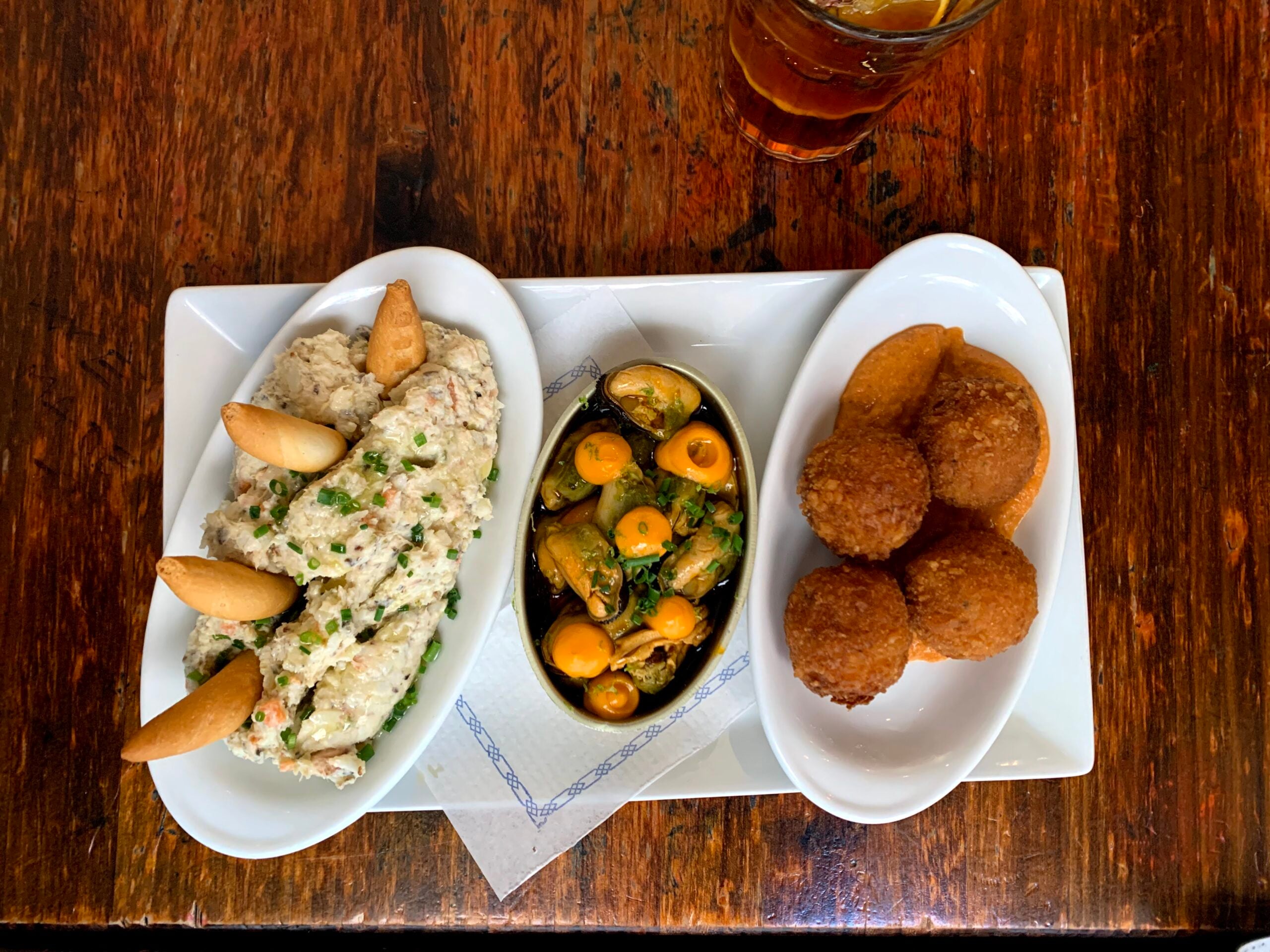
I was walking for hours every day. I needed fuel. The local food reflected the land, the weather, and the work of the region. So my meals shifted toward steak, potatoes, bread, hearty dishes, and the kind of food that makes sense when people are moving through a place on foot and when the regional table is built around sturdier ingredients. That is not a failure of the Mediterranean diet. That is the Mediterranean diet behaving the way it is supposed to behave: in alignment with the place. Spain’s own tourism materials describe the Camino as a culinary journey, with regional dishes along the route shaped by local agricultural and pastoral traditions. (Visit Trentino)
When I go back to Sicily, it will shift again.
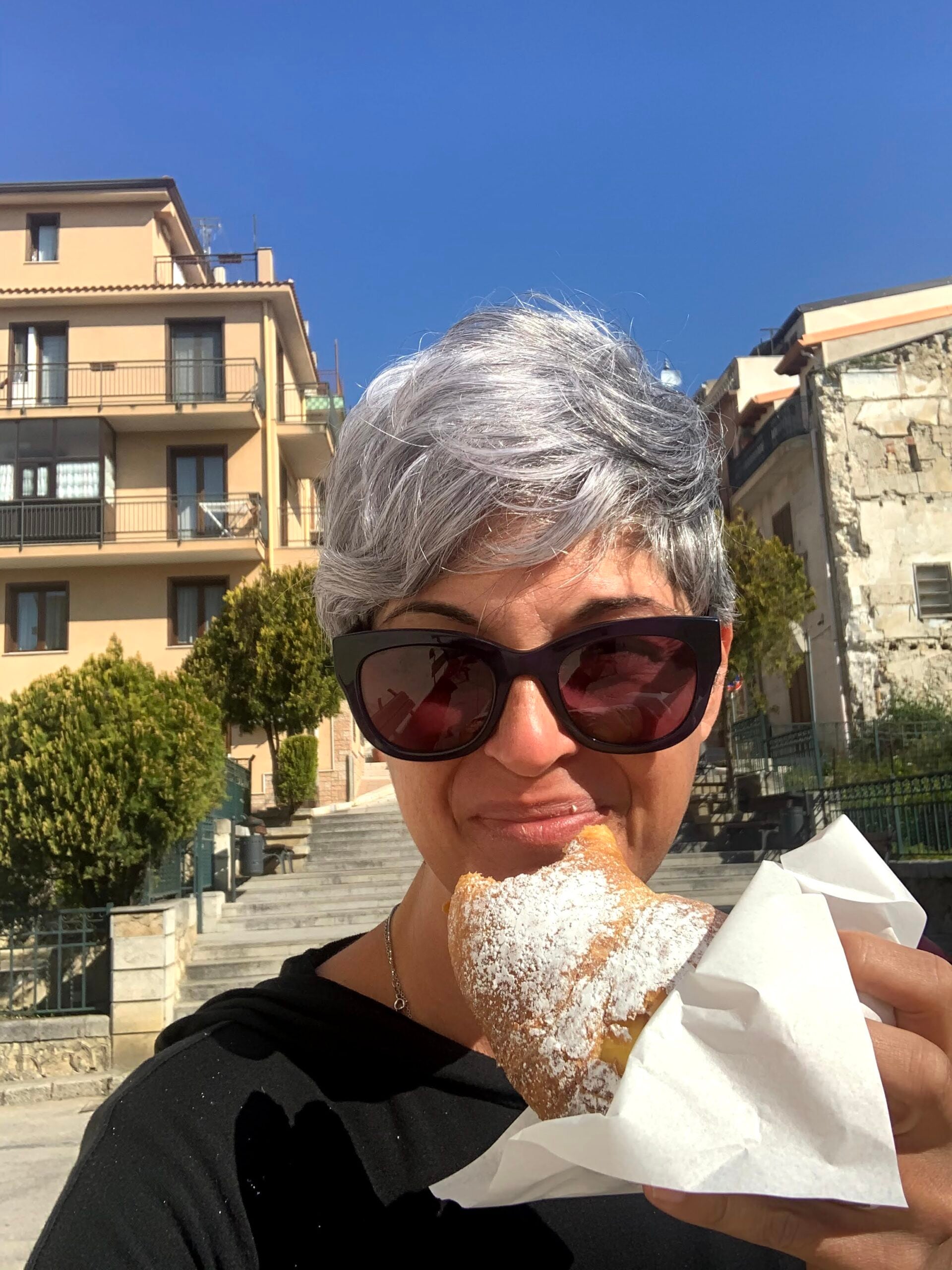
There, the table makes different sense. Fish. Citrus. Tomatoes. Vegetables. Olive oil. Legumes. Couscous in the west, especially around Trapani, where Sicilian food still carries the history of North African influence and the sea. Visit Sicily’s own materials point to couscous as a defining dish in western Sicily, not as a novelty, but as part of the region’s normal culinary identity. (Visit Sicily)
And when my friend Cindy goes back to Trento, it shifts in another direction again.
Northern Italy is not trying to eat like Sicily, and it should not. In Trentino, the food follows mountain weather, colder seasons, and alpine work. That means polenta, dumplings, barley soups, cured meats, cheeses, and heartier dishes meant to warm and sustain. Visit Trentino describes polenta as one of the region’s essential traditional foods, often enriched with meat, cold cuts, and cheese, and tied directly to local corn flour and mountain food culture. (Visit Trentino)
That contrast tells the story better than any food pyramid ever could. In Sicily, couscous makes sense. It is lighter, coastal, and shaped by heat, sea air, and a different agricultural history. In Trento, polenta makes sense. It is heavier, warming, and built for a colder landscape. Neither one is more “authentic Mediterranean” than the other. Both are what happens when people eat in relationship to the land, the weather, and the life in front of them. (Visit Sicily)
That is why I think Americans so often miss the point. In the U.S., healthy eating is usually sold as a corrective. A plan. A discipline. A premium tier of grocery shopping. Something you try to impose on top of a food system that is already pushing you toward convenience, processing, and overcomplication. In Italy and Spain, eating well often feels more ordinary.
Not perfect. Not virtuous. Just easier.
Part of that is cost. Numbeo’s current country comparison estimates groceries in the United States are about 18.7% higher than in Italy overall, and restaurant prices are also higher in the U.S. Food-price listings show everyday staples such as bread, tomatoes, potatoes, onions, and oranges generally coming in lower in Italy than in the United States. (Numbeo)
But cost is only part of it. The deeper difference is accessibility.
In much of Italy and Spain, good ingredients are easier to find without turning the whole thing into a project. Better tomatoes do not require a special trip to a premium market. Olive oil is not a lifestyle product. Fish, vegetables, eggs, bread, cheese, and fruit often feel like ordinary shopping, not “healthy shopping.” When the baseline quality is better, cooking becomes simpler. You do less to the food because the food is already doing more. (Numbeo)
That may sound small, but it changes daily life.
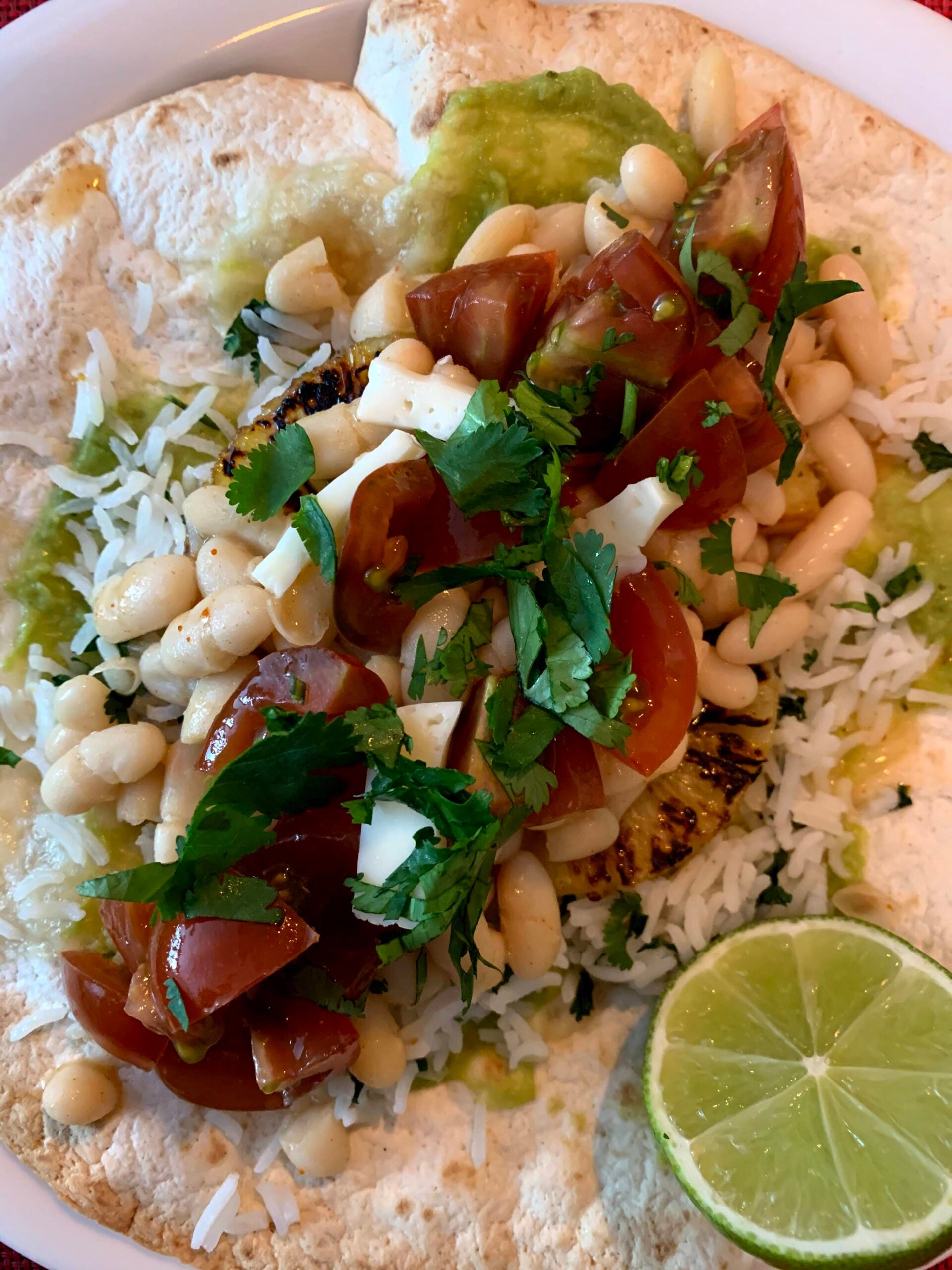
If the tomatoes taste like tomatoes, dinner does not need twenty ingredients. If the fish is fresh, it does not need to be disguised. If the olive oil is good, bread, beans, vegetables, or potatoes can become a meal without much effort. If local cheese, eggs, and produce are accessible, eating better starts to feel less like self-improvement and more like ordinary life. (Numbeo)
That is one of the hidden costs of the American system. It is not only that food can be more expensive. It is that eating well often requires more planning, more filtering, more label-reading, more driving, more packaging, and more effort just to get to a decent starting point. By the time many Americans begin cooking, they are already tired.
In Italy and Spain, the process often begins closer to the finish line. The ingredient itself is better. The market is smaller. The food chain is shorter. The meal can be simpler.
That is one reason this way of eating supports health so well. The research on Mediterranean-style dietary patterns continues to show benefits for cardiovascular health, type 2 diabetes risk, some cancers, and healthy aging. But I think Americans often reduce that to olive oil and fish, when in reality the pattern works because it is tied to movement, social eating, seasonality, and less processed food. It is not just a nutrition strategy. It is a life pattern. (Visit Sicily)
And that life pattern changes by location.
In Sicily, it may mean more fish, caponata, citrus, fennel, eggplant, couscous, almonds, tomatoes, and quick meals built from the market and the sea. In Trento, it may mean polenta, dumplings, mountain cheeses, beans, soups, and foods that hold you through colder weather. On the Camino, it may mean steak, potatoes, bread, and whatever the walking day asks for. None of that contradicts the idea. That is the idea. (Visit Sicily)
The Mediterranean diet is not rigid. It is responsive.
Responsive to the season.
Responsive to the land.
Responsive to the body.
Responsive to the culture of the place.
That is why it feels so different when you live inside it instead of reading about it from the outside. And that is also why it belongs in this week’s theme of living well, living better. Because people do not move to Italy or Spain because they want to perform health. They move because they want a life that feels more balanced, more nourishing, and more human. A life where eating better is not one more task on a list, but part of how the place itself supports you.
That may be the real promise of this way of eating.
Not just that you might live longer.
That daily life becomes easier to live well.