Moving to a new country is a massive leap of faith. It’s one thing to survive the logistics of visas and packing, but it’s another thing entirely to thrive once you’ve landed. The honeymoon phase ends the moment you need a plumber, a doctor, or a Wi-Fi router.
When you relocate, you don’t just leave your house behind; you leave your competence behind. You go from being a highly successful, self-sufficient adult in the US to someone who doesn’t know how to pay a utility bill, where to buy ibuprofen, or how to ask the butcher for a chicken breast.
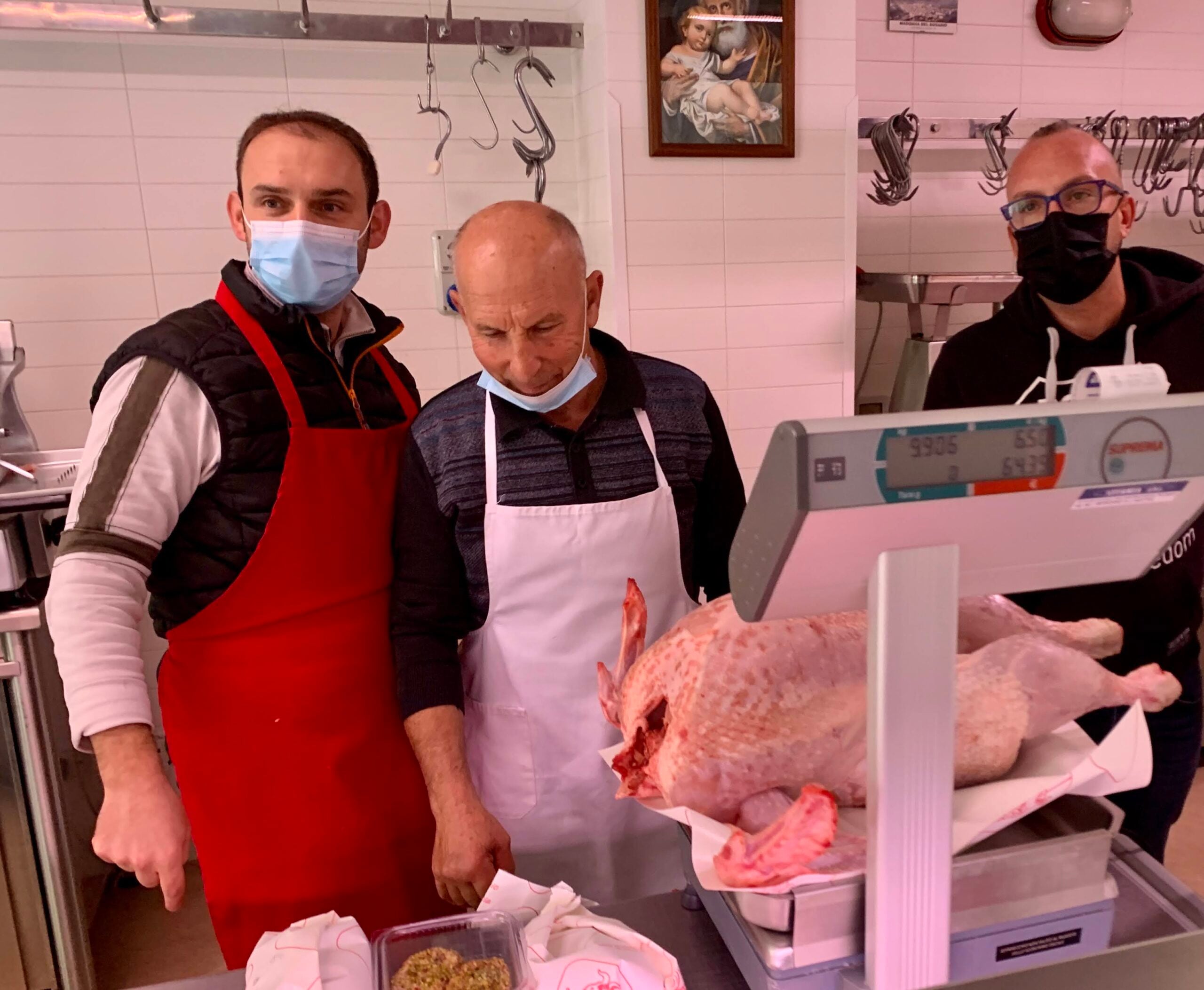
(True story: When I first arrived in Sicily, I got so frustrated trying to get the local butcher to understand my accent saying “prendo un petto di pollo” that I eventually just had to grab my own breasts to demonstrate. It worked, we laughed, and I got my chicken. But the ego check is absolutely real.)
It is frustrating, it is humbling, and it is the exact reason why so many new arrivals retreat into isolation.
Thriving abroad isn’t about magical thinking. It is about aggressively rebuilding your infrastructure so you can feel safe enough to actually enjoy your new life. Here is the no-BS, insider guide on how to survive your first 90 days so you can build the infrastructure to thrive.
1. Build Your Local Blueprint
The “honeymoon phase” of moving can quickly sour if you’re scrambling to find a doctor or a decent head of lettuce in a pinch. Don’t wait for an emergency to learn the lay of the land.
-
Create an Address Book: Before you even finish unpacking, map out your essentials: the nearest 24-hour pharmacy, a reliable vet, the best grocery stores, and at least two “comfort” restaurants.
-
Use Your Resources: Why reinvent the wheel? Check out our free downloadable ViaMonde Pre-Arrival workbook to help you organize these details before you touch down.
2. Say “Yes” to the Neighborhood
Social integration is the fastest cure for homesickness. While it’s tempting to stay inside and stream your favorite shows from home, the real magic happens in the streets.
-
Find Your People: Join local walking groups, sign up for Saturday neighborhood clean-ups, or volunteer for local festivals like Carnevale.
-
Show Up: Physical presence is the first step toward belonging. When people see you consistently contributing to the community, visiting the local bar for your daily coffee or aperitivo, you stop being a “tourist” and start being a neighbor.
3. Move Beyond the App
If you want to fully immerse yourself in your community, you have to speak their language—literally. While digital tools are a great start, they rarely get you to the finish line of true connection.
-
Deep Immersion: Learning the local tongue allows you to meet locals on their terms and forge genuine friendships that transcend basic transactions.
-
Beyond the Streak: If you feel like you’re hitting a wall, check out our previous articles on how to actually master a second language instead of just getting stuck in a perpetual loop on language apps.
The ” How” of Thriving Abroad
Now you’re thinking… okay, that all sounds good, but what does it actually look like? Here are the tips and tricks our team has put together to guide you through the transition.
The Pharmacy Translation: You cannot buy Tylenol at a gas station at 11:00 PM here. Locate your nearest pharmacy. More importantly, look up the European equivalents and active ingredients for your go-to US medications before you need them. Knowing exactly what to ask for prevents a minor cold from turning into a stressful struggle.
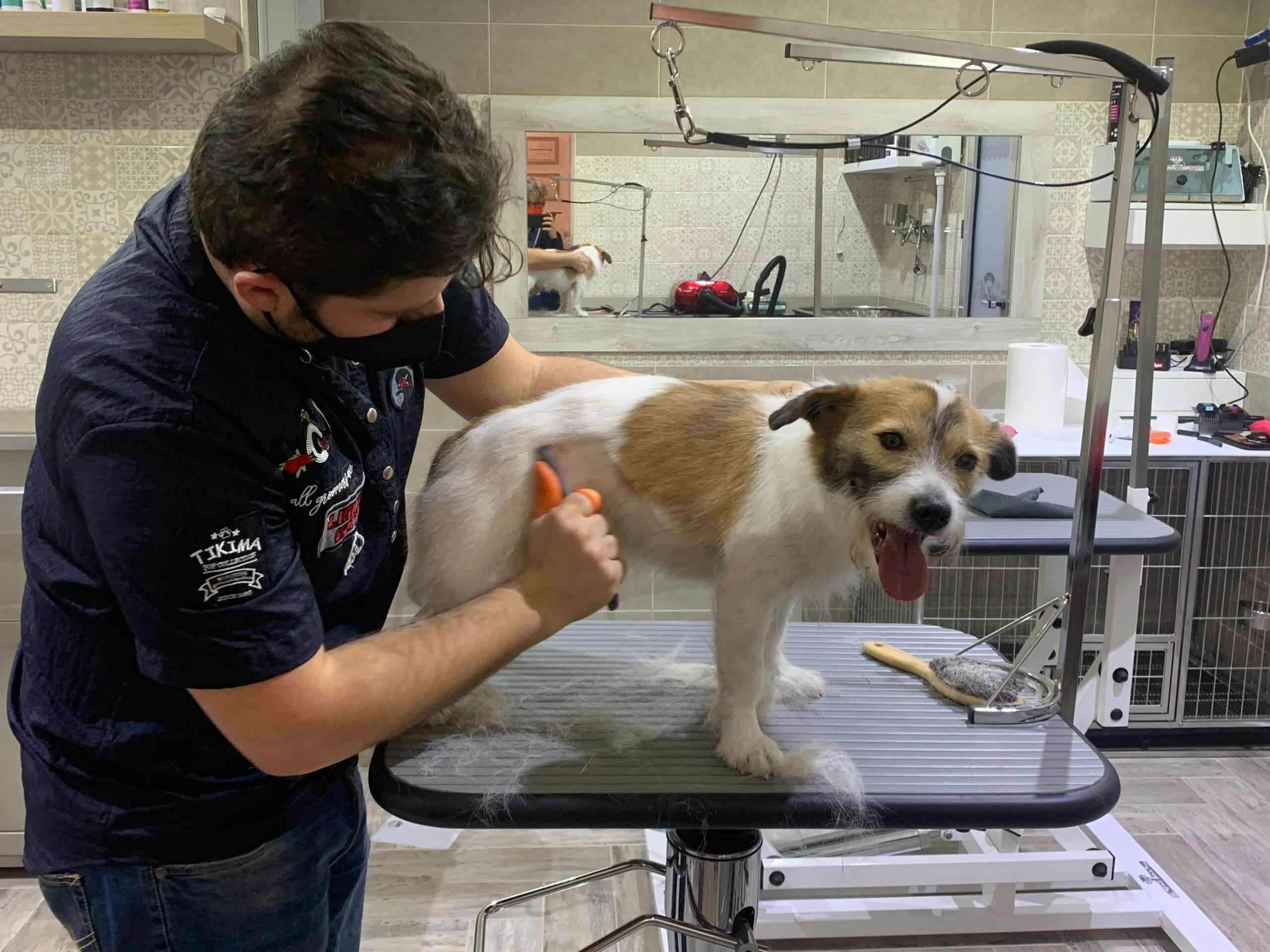
The Furry Family Members: We suggest finding not just a local veterinarian, but a 24-hour emergency vet clinic. And because we know the stress of moving affects them too, map out the best local pet stores so you can easily find those specific treats your picky eater demands.
The Utility Bill Surprise: In Italy and Spain, utility bills often arrive bi-monthly (every other month). You also don’t necessarily have to set up complex online portals to pay them; you can simply take the paper bill, walk into the local tabaccaio (tobacco shop) or your bank, scan the barcode, and pay it in person.
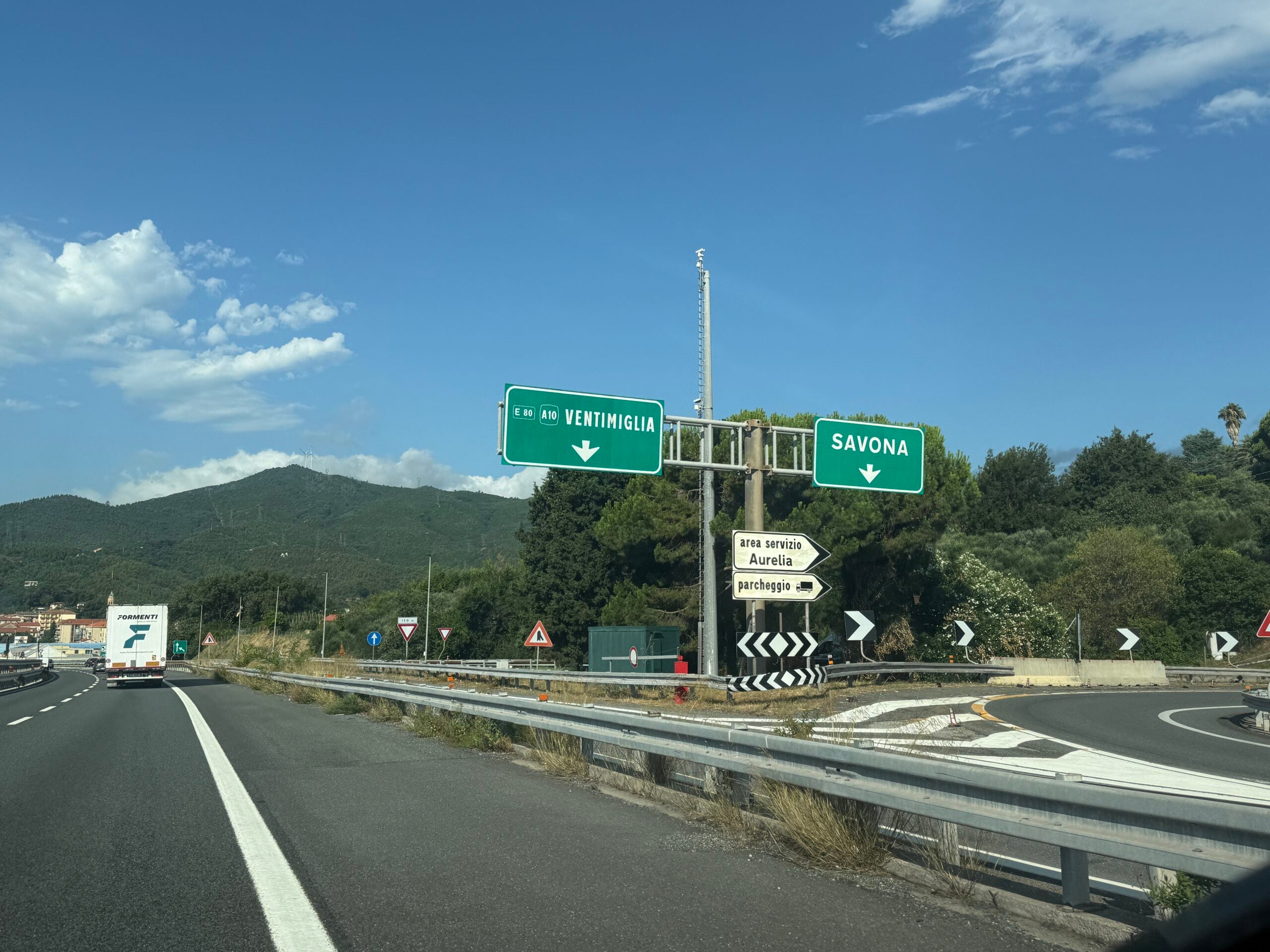
The Transportation Shift: If you aren’t driving right away, you need the right digital tools. In Spain, download Free Now (Taxi Now) for local rides. In Italy, be warned: Uber is not the cheap, ubiquitous rideshare you are used to. It operates mostly as “Uber Black” (luxury private drivers) and is incredibly expensive and limited to major cities.
For intercity travel, skip the confusing regional transit websites and download Rome2Rio and
Omio immediately. These apps are absolute lifesavers—they let you map out routes and buy your bus, train, and ferry tickets directly in the app, in English.
The Comfort Food Map: You will eventually hit a wall where you just want a taste of home. Map out the local international grocery stores for when that craving for specific Asian or Mexican ingredients hits. And if you have dietary restrictions? Map out the local gluten-free (senza glutine) bakery. Yes, of course they exist! Bread is life in Italy, and it’s pretty important in Spain too. Knowing exactly where to go for your comforts will save you on a hard day.
The Ph.D. in Garbage (The Ultimate Ego Check): You might have run a corporate boardroom in the US, but during your first month abroad, you will likely be brought to tears trying to figure out how to throw away a tea bag. The recycling rules (like Italy’s raccolta differenziata) are fiercely strict, incredibly complex, and heavily monitored by your new neighbors. Putting a glass bottle in the plastic bin on a Tuesday can earn you a hefty fine and a public scolding from the building manager. It makes you feel utterly incompetent.
Pro-tip: Print the local municipal trash calendar and stick it to your fridge on day one.
The Driving Reality Check (And the Polish License Scam)
Let’s talk about your independence. Your US driver’s license is only valid for 6 months in Spain, and 12 months in Italy. After that, you must pass the local driving exams.
The Pro-Tip Warning: Because the test is rigorous (and in the local language), there has been a massive uptick in Facebook groups offering “Fake Polish Driver’s Licenses” to Americans terrified of failing.
Listen, we love a good life hack, but committing international document fraud is not one of them. If you get pulled over or tapped in a fender-bender with a forged EU license, you aren’t just getting a traffic ticket. You are facing criminal fraud charges, visa revocation, and a very unglamorous deportation. Put in the hours, study, and take the real test.
Tech & Money (The Modern Expat Setup)
Running a European life on an American infrastructure will drain your wallet and your patience.
The Dual-SIM Strategy: Make sure your US phone is completely unlocked by your carrier before you leave. This allows you to download a local European eSIM for cheap daily data, while keeping your physical US SIM card active (usually on Wi-Fi calling) so you can still receive crucial 2FA (two-factor authentication) texts from your US banks.
The Borderless Bank: How will you manage your finances abroad? We recommend opening a Wise account. Set this up early, open multiple currency accounts (at minimum, USD and Euro balances), and order the physical debit card.
ViaMonde Concierge Perk: If you sign up for Wise, email us! We offer special concierge-level perks to our clients who get set up through our network.
The ViaMonde Takeaway: Preparation is the bridge between suffering through the transition abroad and finally feeling at home. Let this workbook be your guide to set yourself up for a successful relocation abroad.
Do not leave your transition to chance. [Download the ViaMonde Pre-Arrival Workbook Here] to map out your safety net, and start building the foundation for your actual life.